3 Mid-Air Adjustments That Can Save Your Jump
Front wheel diving, coming in too high, or coming up short mid-air? Here are 3 mid-air adjustments that can save your jump before you land — and what to watch out for with each one.
SKILLS
4/18/20265 min read
3 Mid-Air Adjustments That Can Save Your Jump
It happens in a fraction of a second. You leave the lip, you're in the air, and something is off. Your front wheel is dropping. Or it's too high. Or you can feel you're not going to make the landing. And somehow, without even fully thinking about it, your body reacts.
That split second decision making is something that develops over time on the bike. But before your reflexes are dialed, it helps to actually understand what's happening and what your options are. Here are three mid-air adjustments for when a jump doesn't go quite as planned.
1. Front Wheel Too High
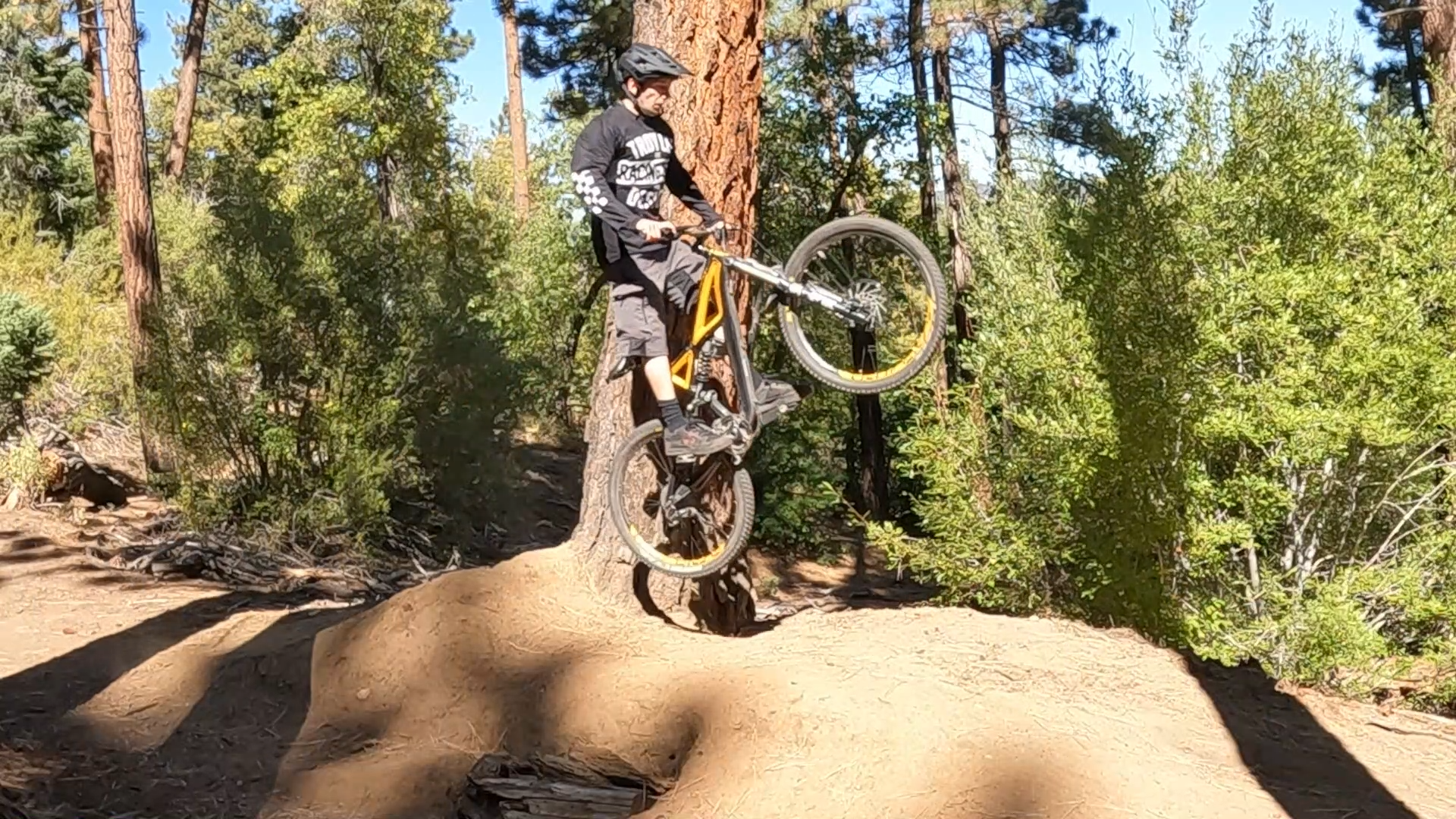
This one happens when you pull too hard off the lip, lean back too much on takeoff, or don't level the bike out after the pop. You're in the air and your front end is climbing when it shouldn't be.
What to do: start shifting your upper body forward toward the bars. The higher the front wheel gets, the further forward you'll need to move. This should bring the front end down or at least stop it from rising further, and ideally you'll come in level enough to land it.
One thing to be aware of on bigger jumps or harder landings — if you come in rear wheel first with your front still high and your weight forward, when that front wheel finally slams down it can pitch you forward and over the bars. So while getting forward is the right move, be ready for that snap when the front comes down on a bigger hit.
if you're consistently coming off jumps with the front too high it might be worth looking at how much you're pulling at the lip — I covered this in detail in my post on pulling up on MTB jumps.
2. Nose Dive
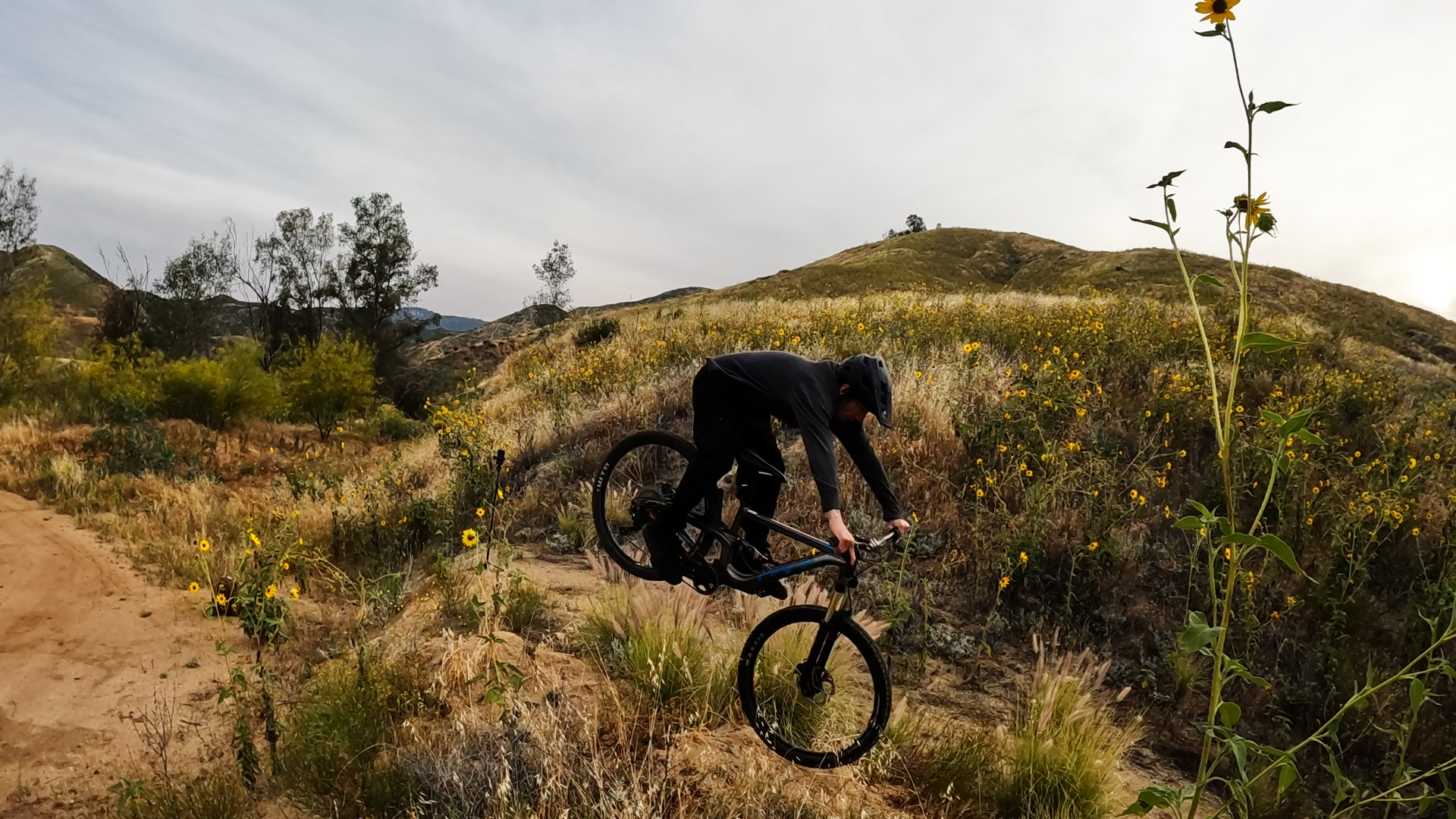
This might be the scariest feeling in jumping. You go off the lip and your front wheel starts dropping. That little mini heart attack, that shot of adrenaline — most riders who have spent any time on jumps know exactly what that feels like. If that resonates check out my post on analysis paralysis and why you freeze up before a jump.
Your only real option here is to shift your weight back over the rear tire. The goal is to bring the rear wheel down and level the bike out before you land. This can absolutely save you — but it's not guaranteed.
A few things to keep in mind:
If your front wheel cases the back side of the landing, shifting your weight back probably won't save you. You're going down regardless. And if you're so far pitched forward that the adjustment isn't enough, same story.
But it's still your best option. There's no version of keeping your weight forward that ends better.
Also worth noting — if you do save it with weight shifted back, your front wheel is now light on landing. On a flat landing that can mean a front wheel washout. On a steeper landing it can mean looping out. So saving the jump is one thing, but be aware of what comes next when you touch down.
3. Coming Up Short (Advanced)
This one is harder to explain because honestly I'm not totally sure of the official name for it. I've seen it called something online but I don't want to throw out a random name that's wrong — if you know what this technique is actually called, drop it in the comments.
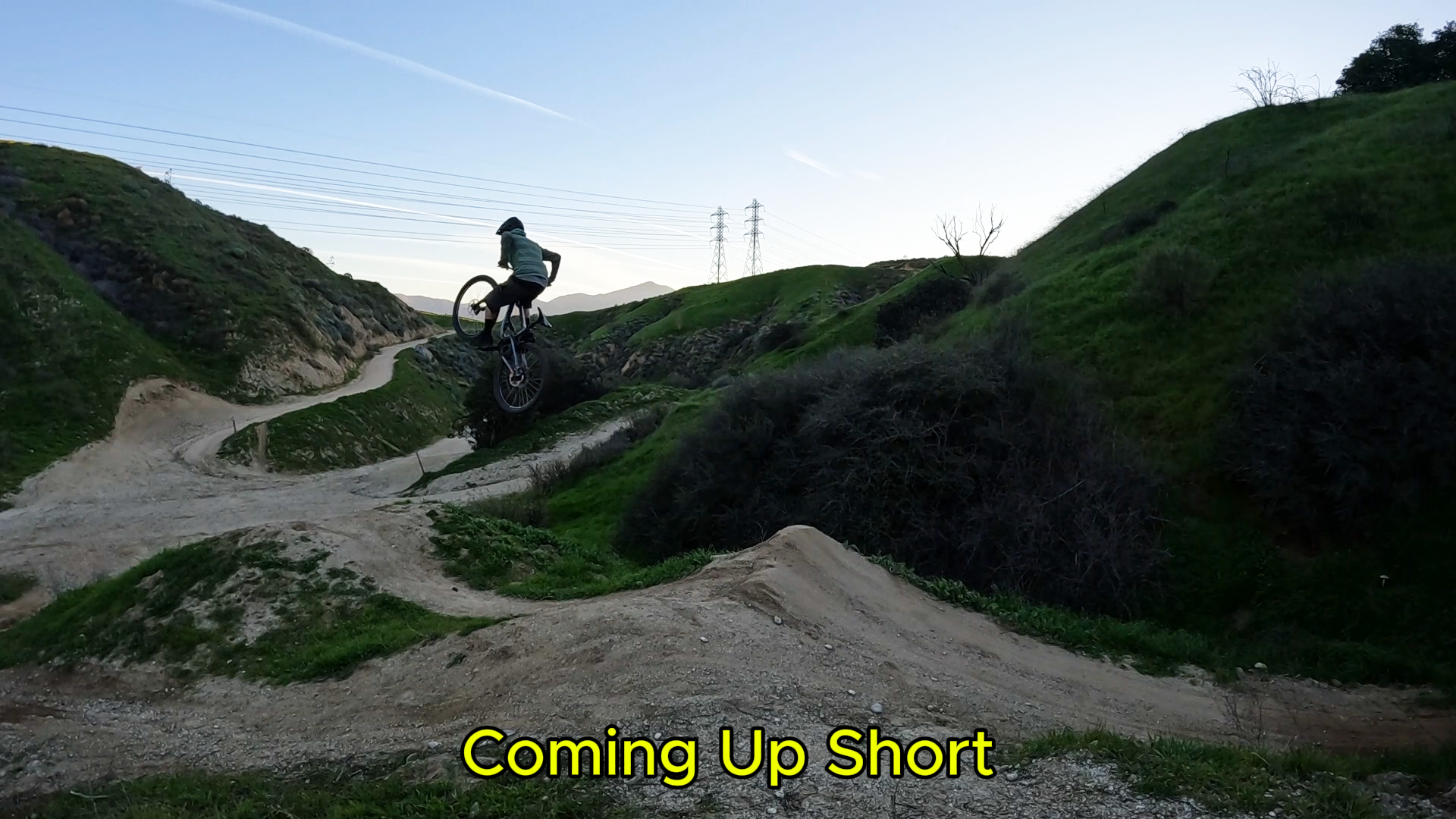
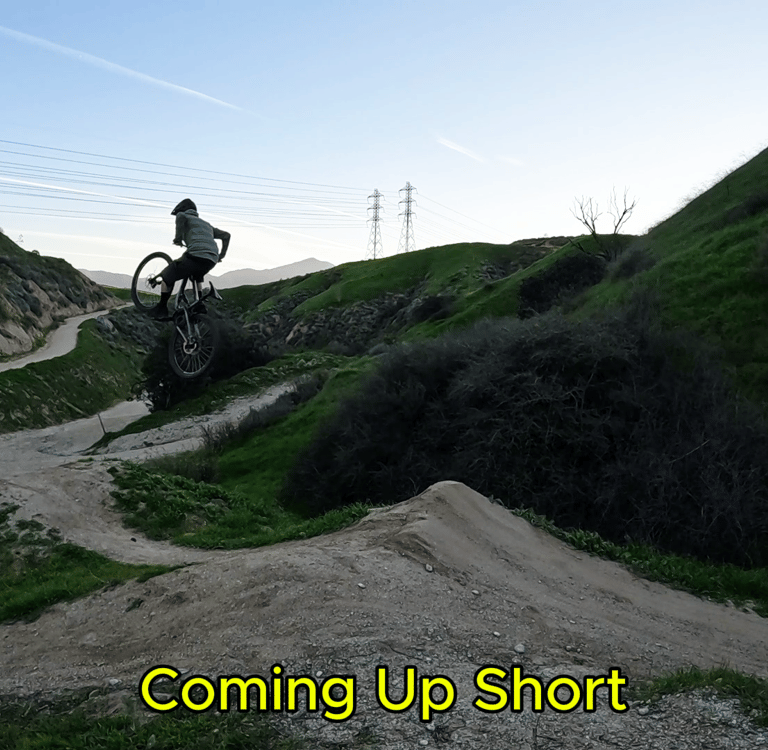
Here's what it is: you leave the lip and mid-air you can feel you're going to come up short of the landing. What you do is pull the bars up toward your hips, similar to the pulling motion in a j hop or the preload and extend movement. This brings your front wheel up high. Then as you're coming in for the landing you push forward on the bars to bring the front end back down — which lifts the rear wheel just slightly, buying you a couple extra inches of distance to make the landing.
I actually noticed I was doing this when I watched my footage back. It had become automatic, something my body just does without me consciously thinking about it.
A few important notes on this one:
This is a more advanced skill. If you're newer to jumping don't stress about this — focus on the basics first and this kind of thing develops naturally over time.
There's also a real risk here. When you push the front end down to level out, if your timing is off, if you push too hard or too early, your front wheel will dive. And now you're back to the nose dive situation from the previous section. So be careful with this one until you have the timing dialed.
Bigger Jumps Amplify Everything
One last thing worth mentioning — everything above gets amplified on bigger jumps. More air time means more time for a front wheel to continue dropping if it starts to dive. More time for a front end to keep rising if it's already too high. More time to realize you're coming up short.
Which is actually a good argument for building these adjustments on smaller jumps first. Let them become automatic on stuff where the consequences are smaller. By the time you're hitting bigger jumps your body already knows what to do.
These adjustments happen fast. Your brain is making decisions you're not even fully conscious of. That only comes with time on the bike and repetition — but understanding what's happening and why gives you a head start on building those reflexes.
Want to take your jumping further? Check out my Complete Guide to Jumping Mountain Bikes ebook — covers everything from your first jump to advanced technique.
Keep riding, keep progressing, and as always take it at your own pace.