Do You Pull Up on MTB Jumps? Boosting and Arc Control Explained
Learn when and why you pull up on mountain bike jumps, how it connects to boosting technique, and how to control your arc in the air for cleaner landings.
SKILLS
3/29/20263 min read
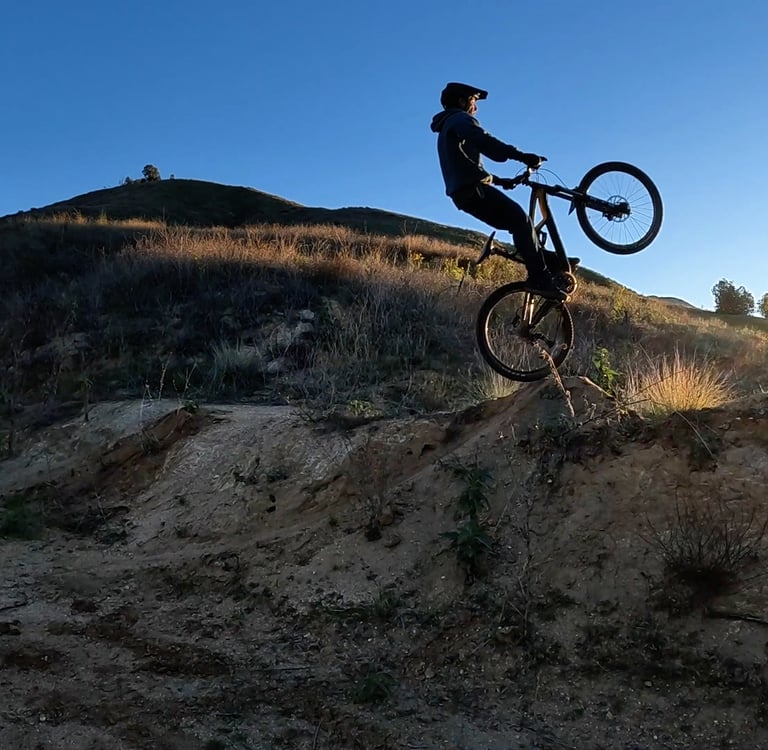
Do You Pull Up on MTB Jumps? (The Truth About Boosting and Arc Control)
One of the more common questions I get is whether you actually pull up on the handlebars when jumping a mountain bike — and if so, how much does that change depending on the jump. A viewer recently asked me to break it down from flat ground all the way up to steeper lips. It's a great question and honestly one that doesn't get covered much. Here's why.
Why Nobody Talks About This
The reason pulling up doesn't get taught much is because telling a beginner to just pull up off a jump can be genuinely dangerous. If you pull up without knowing how to level the bike back out, you can loop out. So most instructors avoid the topic entirely. But it does happen, and if you're working on boosting, you need to understand it.
It's About Technique, Not Jump Shape
The first thing to understand is that whether you pull up has less to do with what type of jump you're on and more to do with what you're trying to do off it. You can hit the same jump three different ways:
Neutral — you let the lip do the work, your wheels follow the natural trajectory of the takeoff, and you're not pulling up at all. This is where beginners should start.
Squashing — you're actively staying low and pushing into the lip to keep the bike down. You're doing the opposite of pulling up.
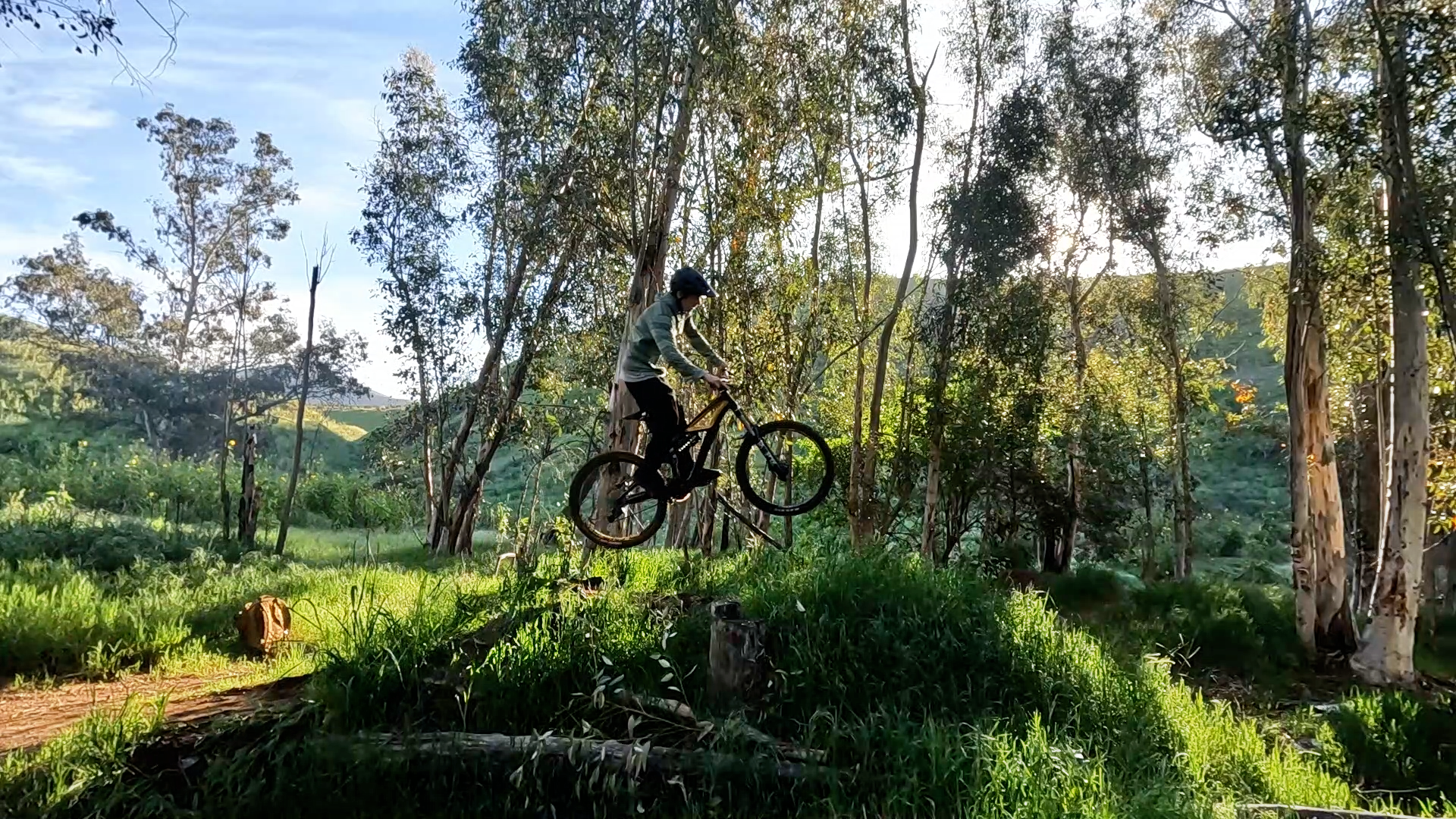
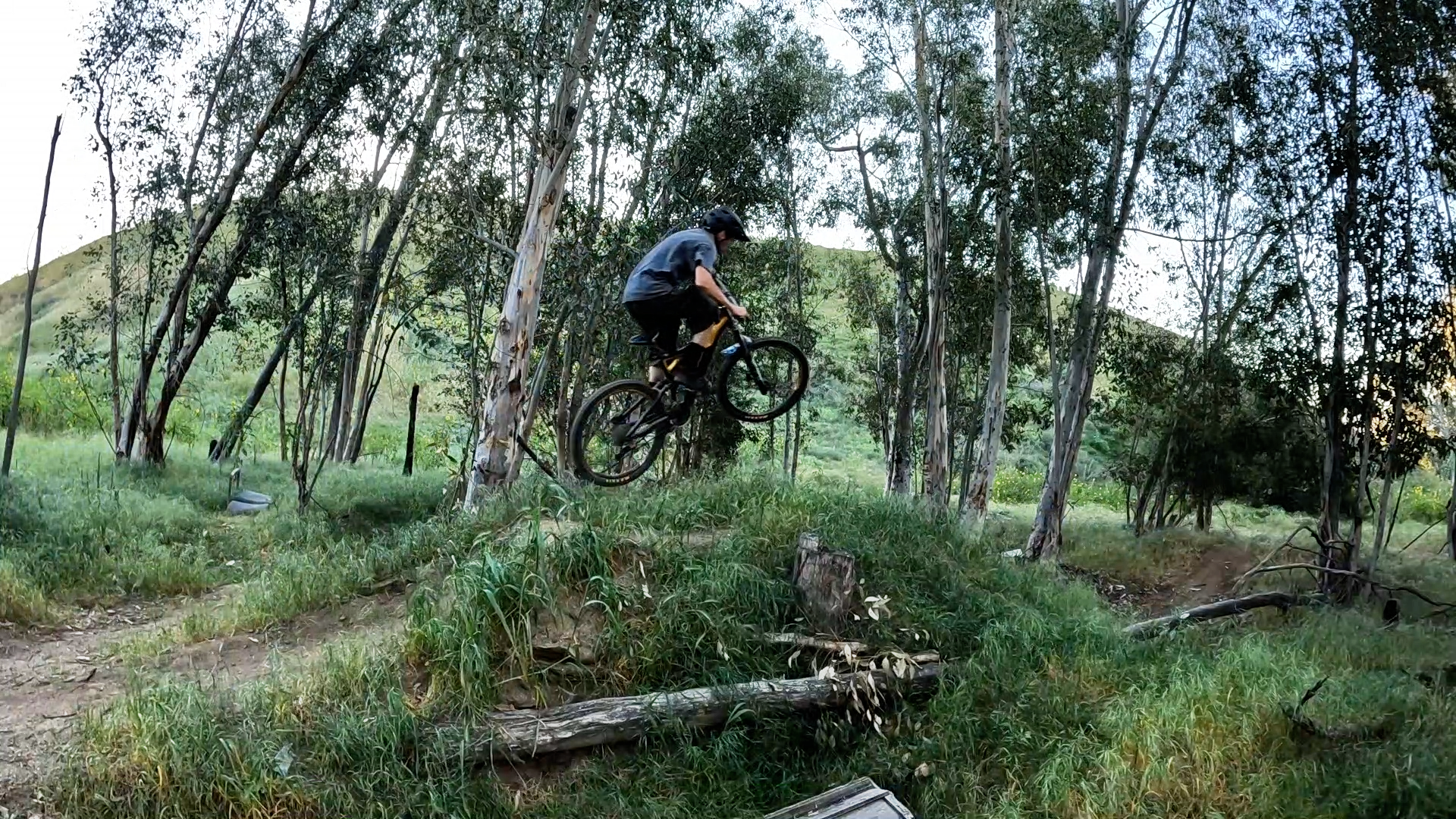
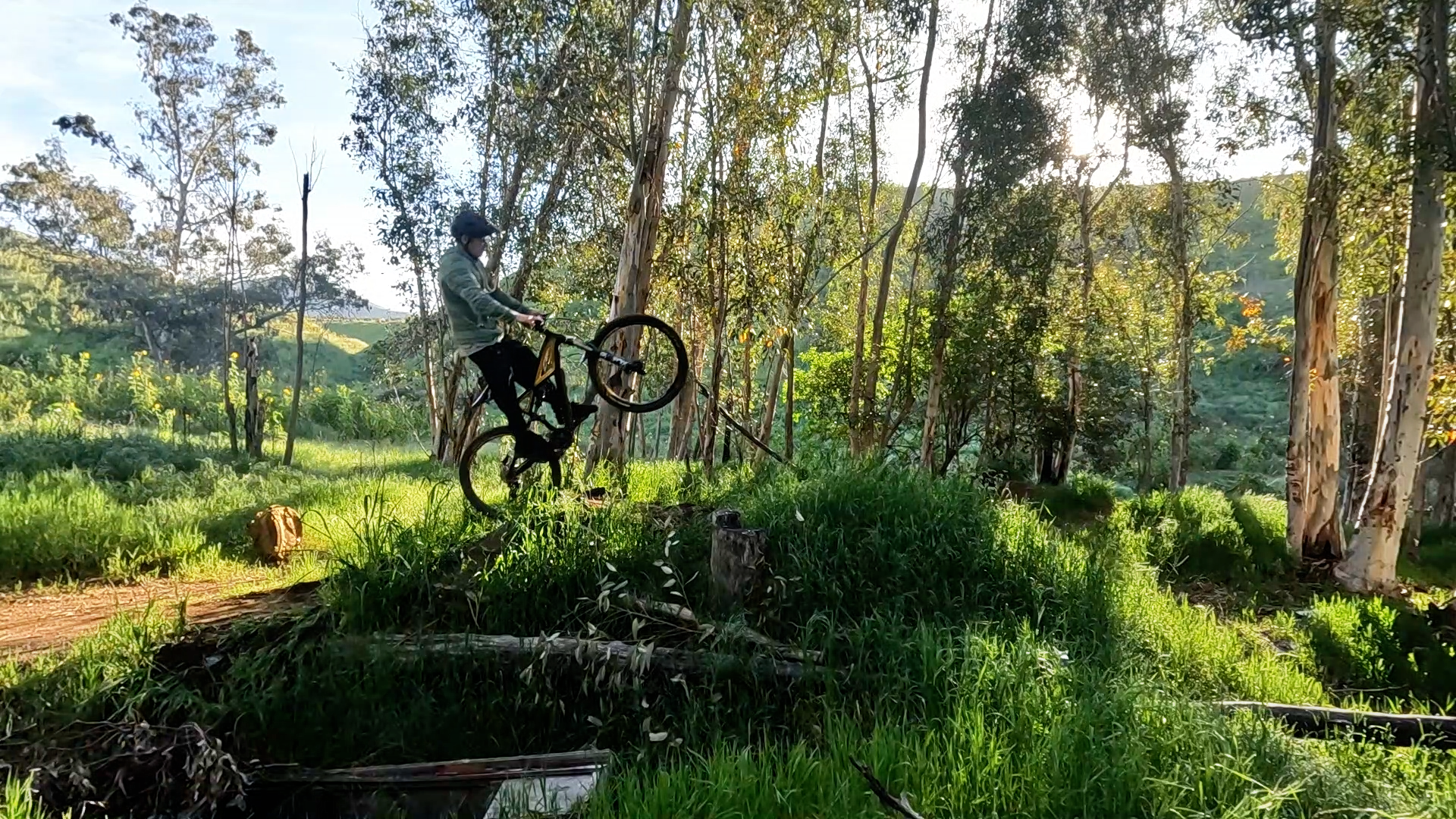
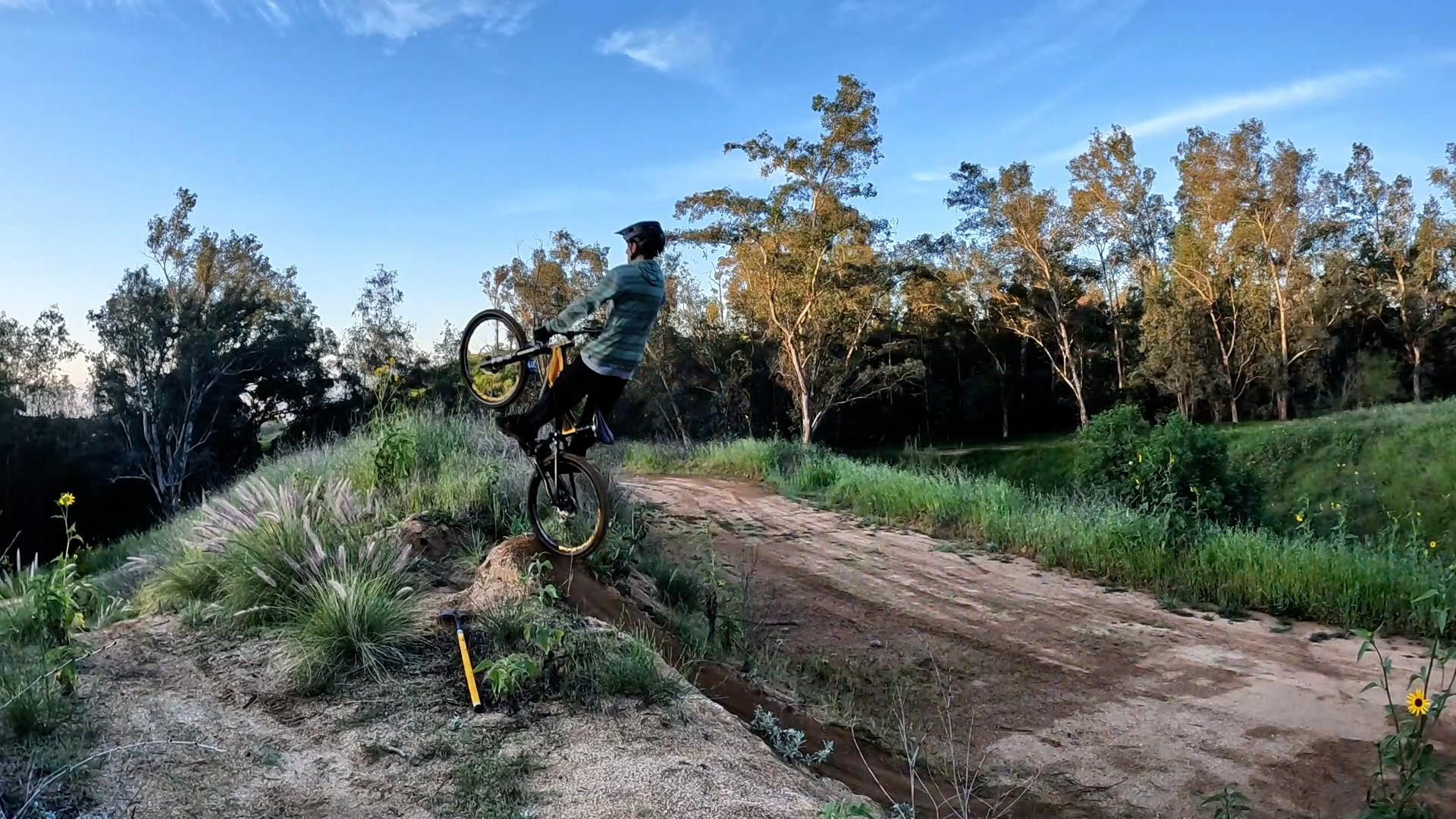
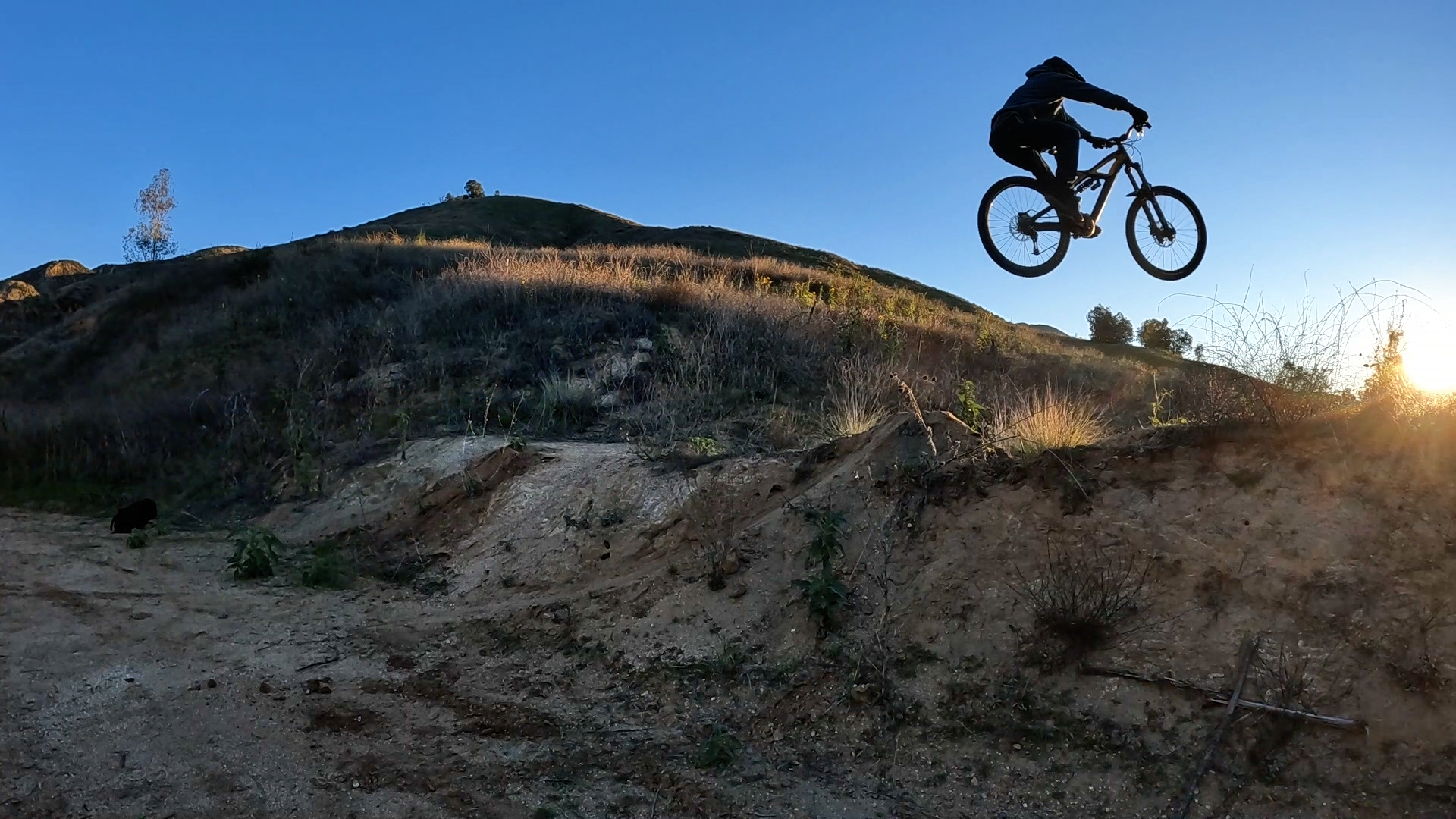
Boosting — this is where pulling up comes in. The motion is similar to a j-hop. Your arms stay mostly straight, you're not bending them up toward your chest. It's more of a slight lean back to make the front end light combined with the natural extension off the lip.
Here's a useful way to think about it — if you do nothing off a jump, your wheels follow the angle of the takeoff. That's the ceiling. To get the front wheel higher than what the lip gives you, you have to pull up slightly. That's all boosting is.
Don't Confuse Lean Back With Weight Back
One important distinction — leaning back slightly to make the front end light is not the same as shifting your weight back over the rear wheel before the jump. Going into a jump with your weight over the rear can compress the suspension on the lip and cause you to get bucked. Stay centered on approach, the lean back happens naturally as you leave the lip when boosting.
Controlling Your Arc
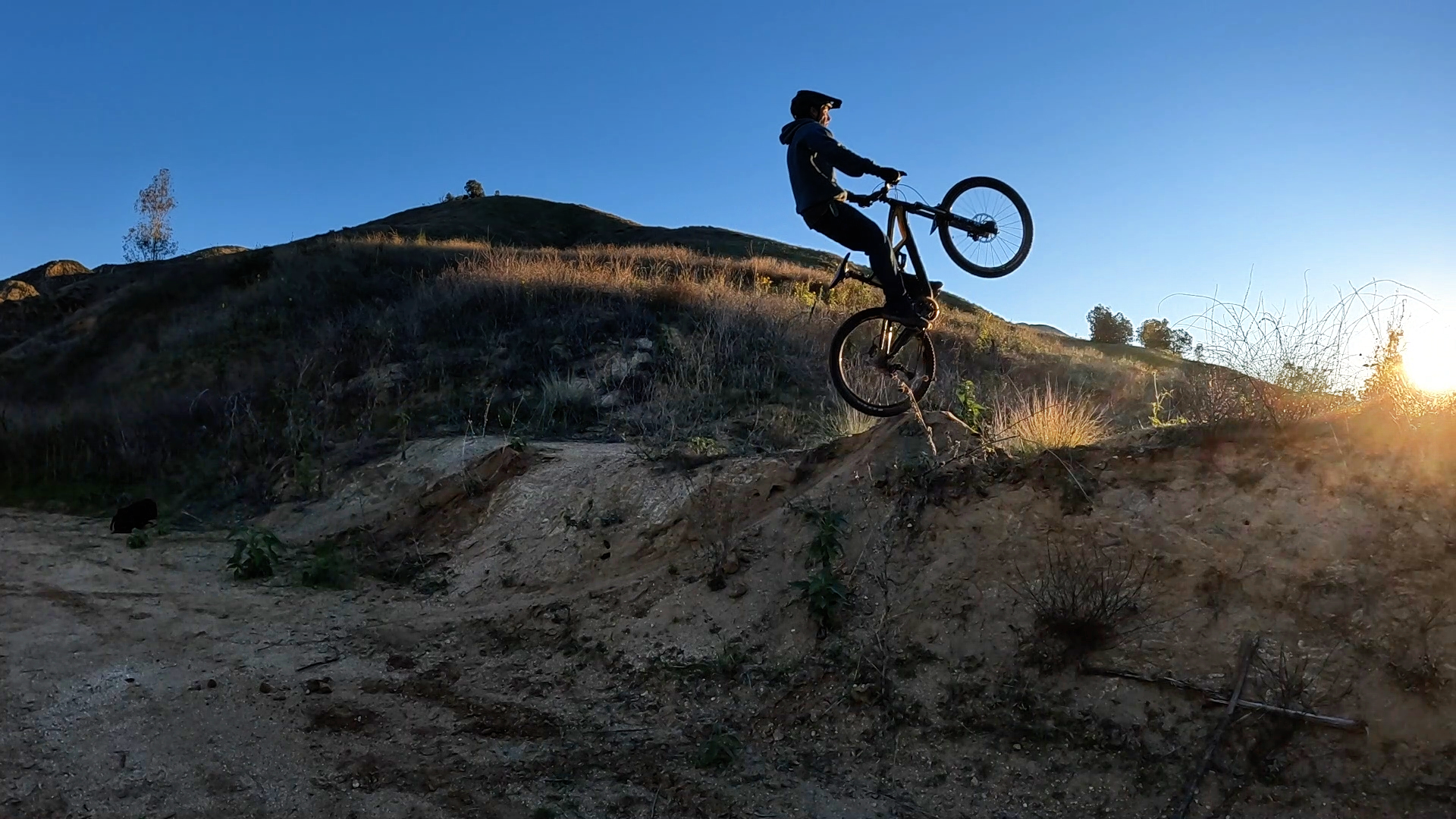
Once you've pulled up and your front wheel is high, you need to level the bike out. This is the arc, and it's just as important as the pull up itself.
To level out you bend your knees and push forward on the bars. Bending your knees lets the bike come up with you as you push. If you keep your legs straight and push forward you'll get pitched over the bars. Bent knees are what make it work.
From there you want to dive the front wheel to match the angle of the landing. On a steeper landing the front wheel touches down slightly first. On a more mellow landing you can touch both wheels at the same time. On a flat landing you can even land rear wheel first.
Who This Is For
If you're still learning to jump, don't stress about this yet. Focus on timing, letting the lip do the work, and getting comfortable in the air first. Pulling up and boosting is the next level — it'll come naturally once the basics are solid.
Watch the full breakdown on my YouTube channel — I go through each concept with slow motion clips and real examples from flat ground all the way to steeper lips.