Analysis Paralysis on MTB Jumps — Why You Freeze and How to Fix It
Every rider freezes up sometimes. Learn why analysis paralysis happens on MTB jumps, the two ways it shows up, and practical tips to actually overcome it and start riding with more confidence.
SKILLS
4/5/20263 min read
Analysis Paralysis on MTB Jumps — Why You Freeze and How to Fix It
We've all been there. You've been eyeing a jump, you know roughly how fast to go, you roll up to hit it, and you freeze. Your hands slam the brakes before you even get there. That's analysis paralysis, and it happens to every rider at every level. Pros, Rampage riders, beginners, nobody is immune.
Two Ways It Shows Up
The first is pure fear. You're rolling toward the jump and your brain starts running through every worst case scenario. What if I come up short? What if I go too far? What if I crash? The more you picture it going wrong the harder it gets to commit.
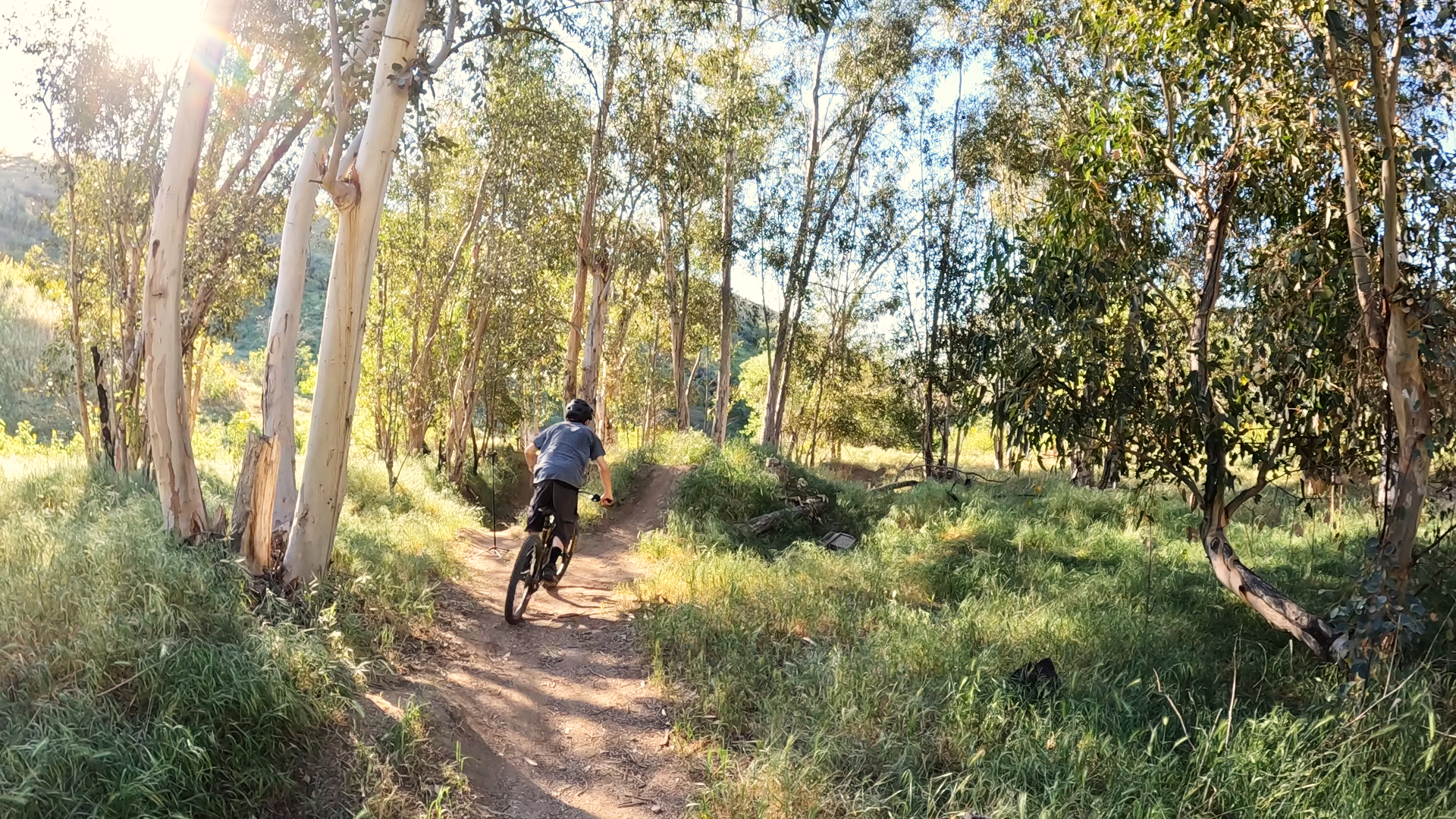
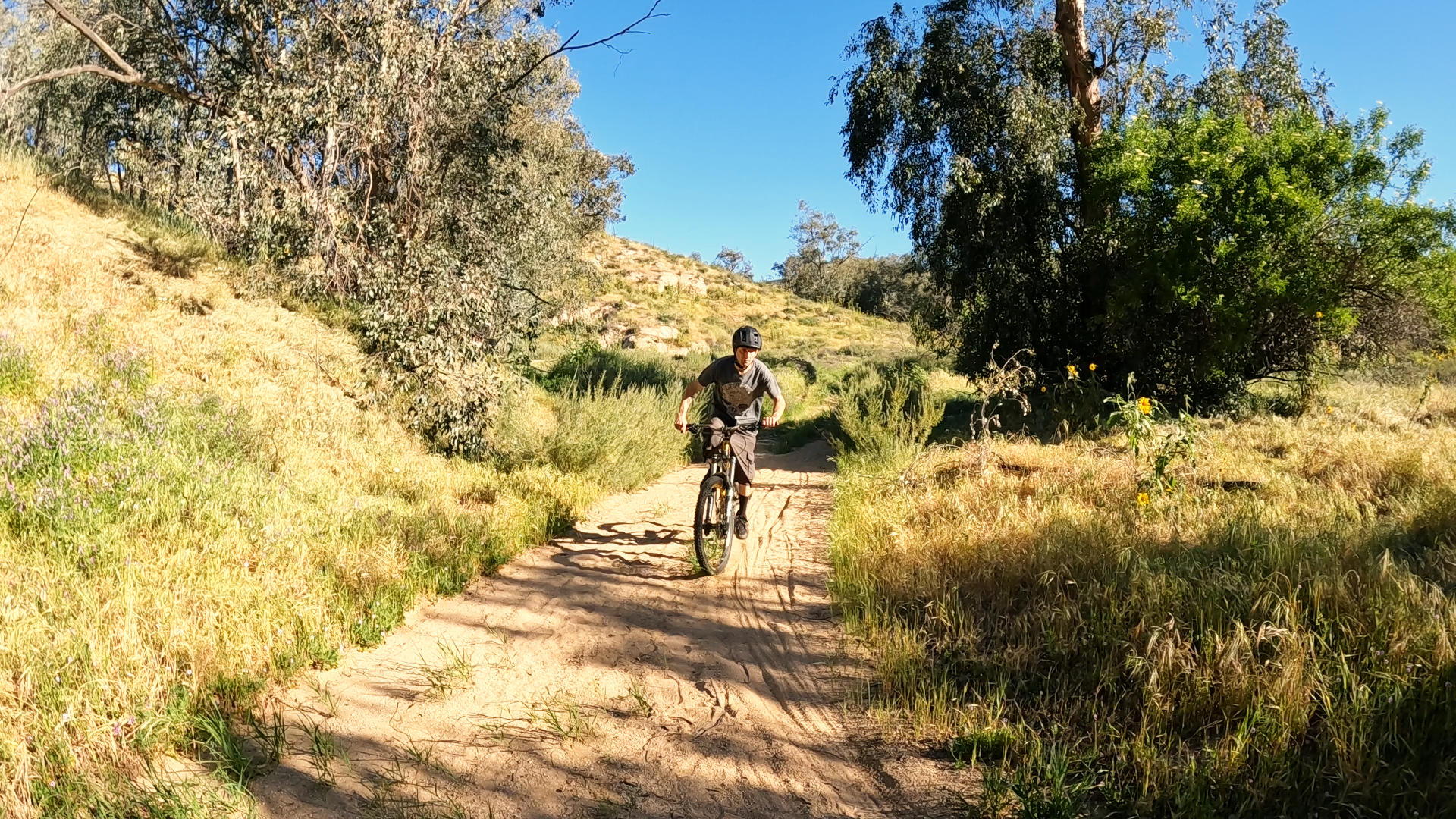
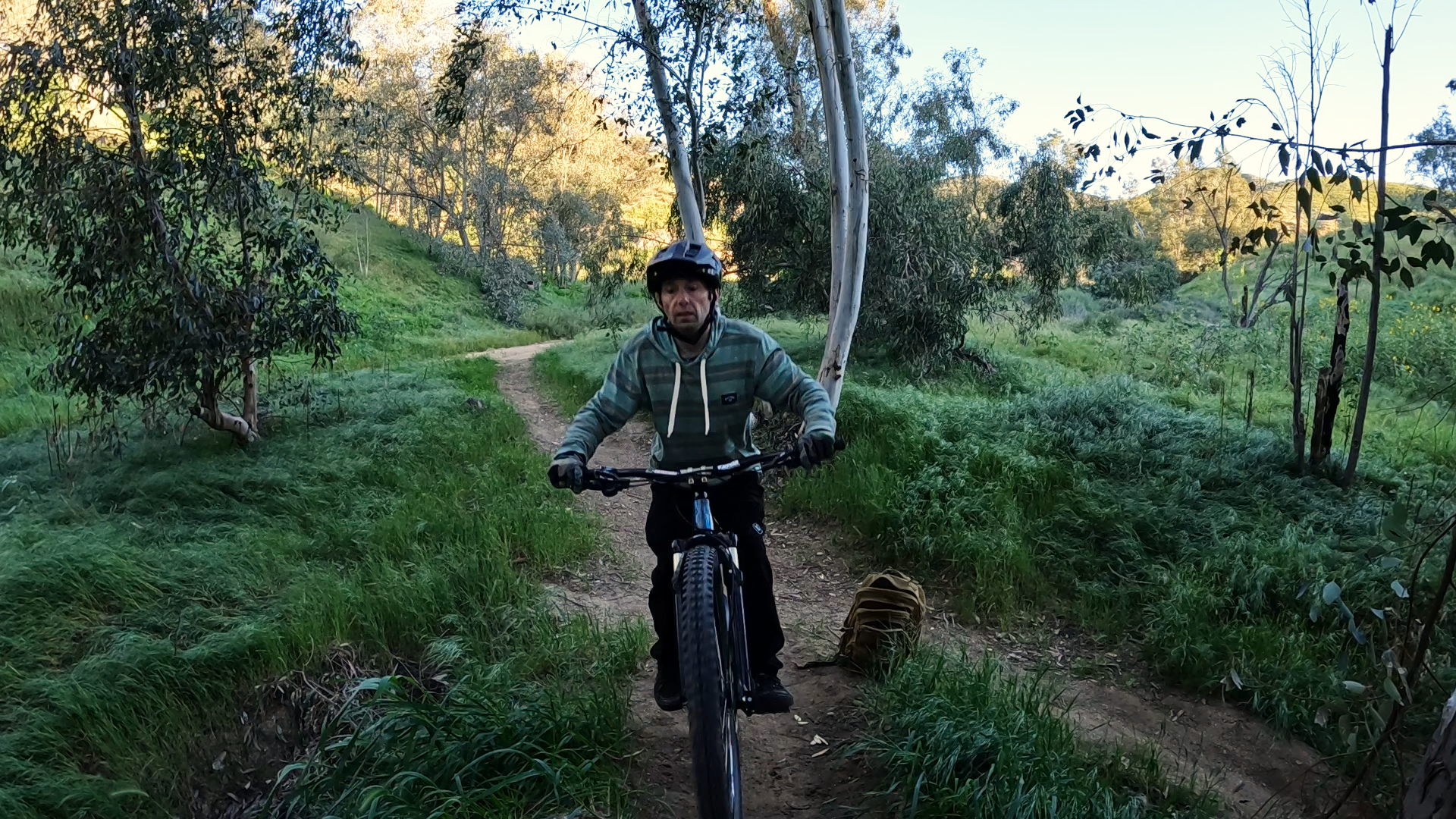
The second is sensory overload on the approach. There's so much happening between you and the takeoff that by the time you get there your brain is already full. Take this section I ride, there's a sand pit that kills your speed and throws off your balance, then you have to pedal hard to recover, and the takeoff is at an angle coming out of a corner. Each of those things is its own problem to solve. When you're new to jumping your brain processes each section separately. With experience you start seeing the whole thing as one picture and your body handles the details automatically. Until you get there though, the approach alone can be enough to shut you down before you even hit the lip.
The Five Minute Rule
When I was a kid I was into Fuzzy Hall and he had a dirt jumping how-to VHS. One section that always stuck with me was the five minute rule — if you've been sitting there for more than five minutes and you're still not feeling it, come back another day. The time doesn't have to be exactly five minutes. Some days you walk away after two, some days you sit there for twenty and then send it clean. The point is if your head isn't in it, more time staring at it usually doesn't help.
Visualization
If every time you picture the jump you're seeing yourself crash, try flipping it. Picture the clean hit instead, the takeoff, the air, the landing. If you can't get that image to stick, that's your sign to walk away and come back when you can. Visualization works both ways and if you keep feeding your brain crash footage it's going to make the decision for you.
False Confidence
This one catches a lot of new riders off guard. You land a few jumps clean, everything feels dialed, and suddenly you feel ready for something bigger. But the technique that got you through a small table isn't necessarily ready for a gap or a double. The jump gets less forgiving faster than your skills catch up. Start small, work on technique, and let the progression happen naturally. Sending something you're not ready for doesn't just risk a crash — it can set your confidence back further than if you'd just waited.
Risk Is Personal
Something I've been thinking about lately, not everyone has the same risk tolerance and that's not a weakness, it's just reality. A teenager can crash, heal up, and still make it to school Monday. If you're working a physical job and a broken collarbone means missing two weeks of paychecks, that changes the math. Own your risk level. Walking away from something isn't failure, it's smart riding based on your actual situation.
So How Do You Fix It?
Everyone gets this, even pros. The goal isn't to turn the fear off, it's learning to understand what it's actually telling you. Is it saying you're not ready, or is it just saying this is bigger than what you're used to? Those are two different things, and with more experience you start to tell them apart.
Start small on tables where you can roll off if needed. Build reps. Let the muscle memory develop so your brain isn't processing every little thing on the approach. Visualize the clean hit. Know your risk. And if the five minute rule hits, come back another day. The jump will still be there.
The more you ride the more the pieces start to connect on their own. That's not a cliché, it's just how it works.
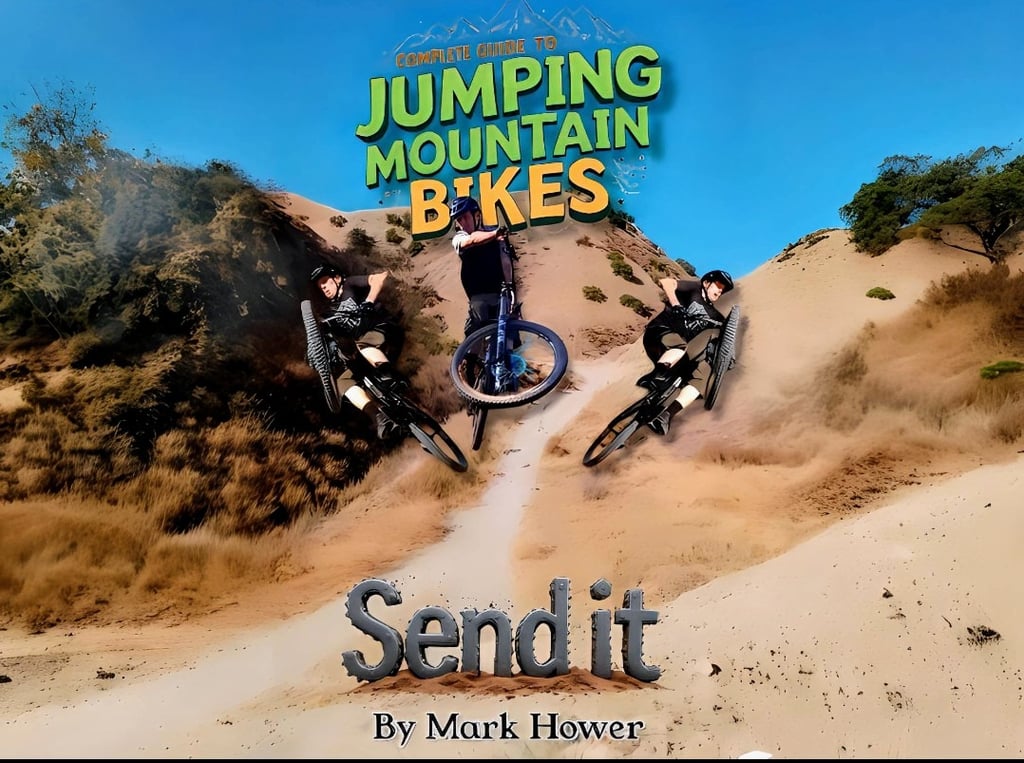
Want to go deeper into jumping? Check out my Ebook Send it