How Wide Should MTB Handlebars Be? (Honest Answer)
Handlebar width has changed a lot in MTB over the decades. Here's what I learned going from narrow old school bars to wide modern ones — and when narrower still makes sense.
GEAR
5/15/20264 min read
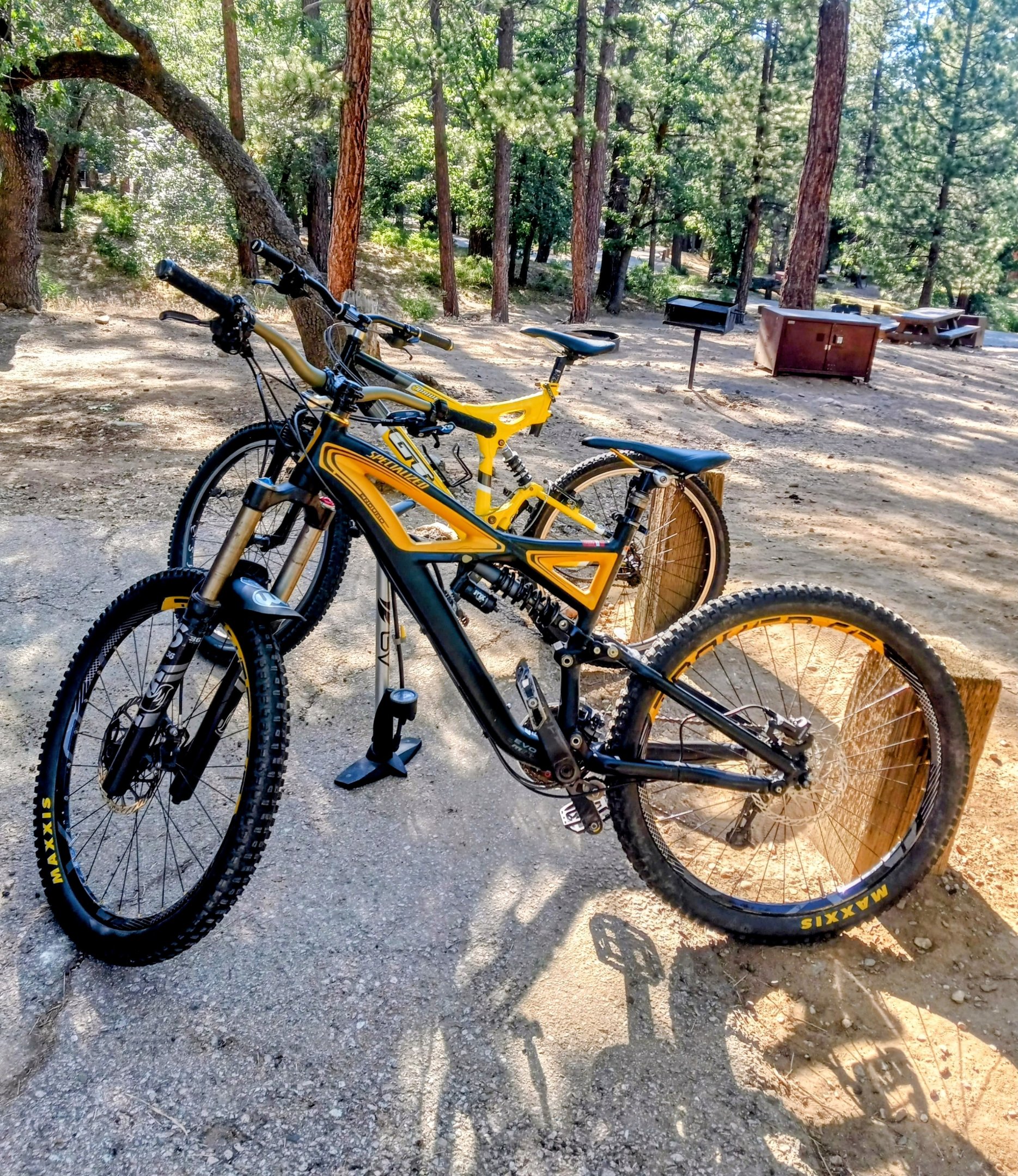
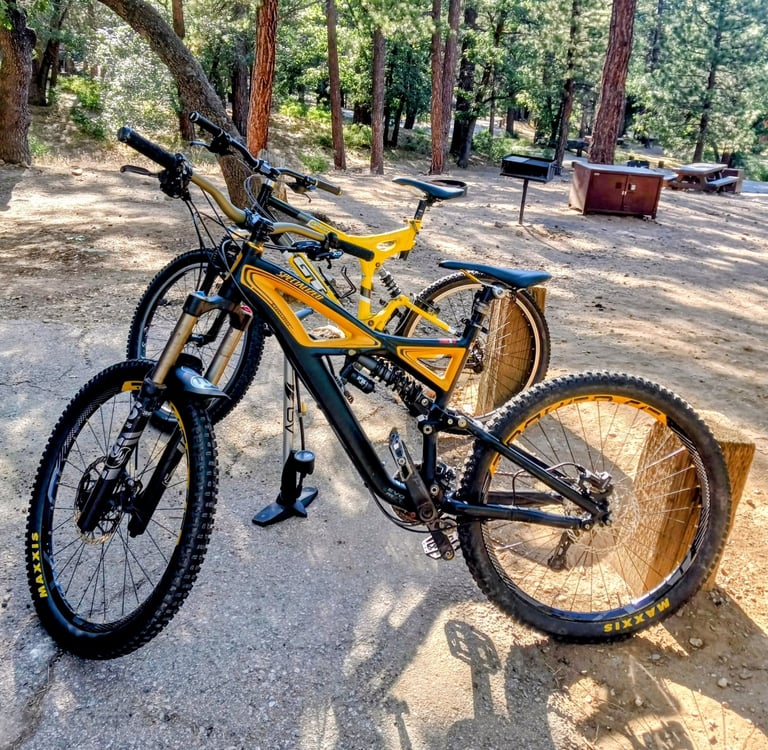
Wide Bars vs Narrow Bars: What's Actually Better for Mountain Biking?
Bar width might be the most argued spec in mountain biking and the answer has literally changed over the decades. What was standard thirty years ago would look comically narrow today. What's standard today would have looked insane to a rider in the nineties.
Here's where I land after riding through both eras.
Where It Started
When I got into mountain biking bars were narrow. That was just the norm. When you bought new bars the first thing you did was cut them down — grab a hacksaw, clamp them in a vise, try to get a halfway decent straight cut. I remember being too lazy sometimes and just pulling the grips off and cutting them right there on the bike. You did what you had to do.
XC riders ran narrow. BMX riders ran even narrower, and for good reason — shorter bars mean easier bar spins. DH was a little wider but nothing like what you see today. Bar ends were huge in XC back then too, little extensions you'd bolt on the ends for climbing leverage. Look up old MTB race photos from the early nineties and you'll genuinely laugh at how skinny everything looks.
Narrow bars had one real advantage — tight singletrack through trees. You could thread gaps that would stop a modern wide bar setup cold. But the tradeoff was control, and since narrow was all anyone knew, nobody was comparing it to anything better.
The Moment It Changed for Me
Around 2014 I went riding with a couple of buddies and my dad came along. I only had one bike at the time so my dad rode mine and I hopped on a spare bike my buddy brought — wide bars, totally different feel.
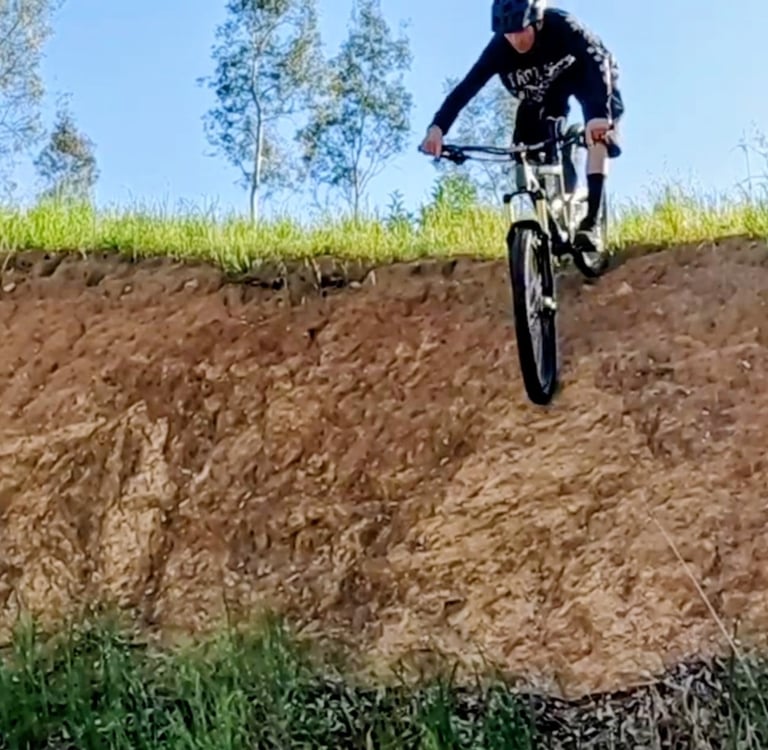
I noticed it immediately. More control, more leverage, more confidence. I was doing manuals and wheelies and j hops and everything felt easier, more planted. That one ride basically converted me.
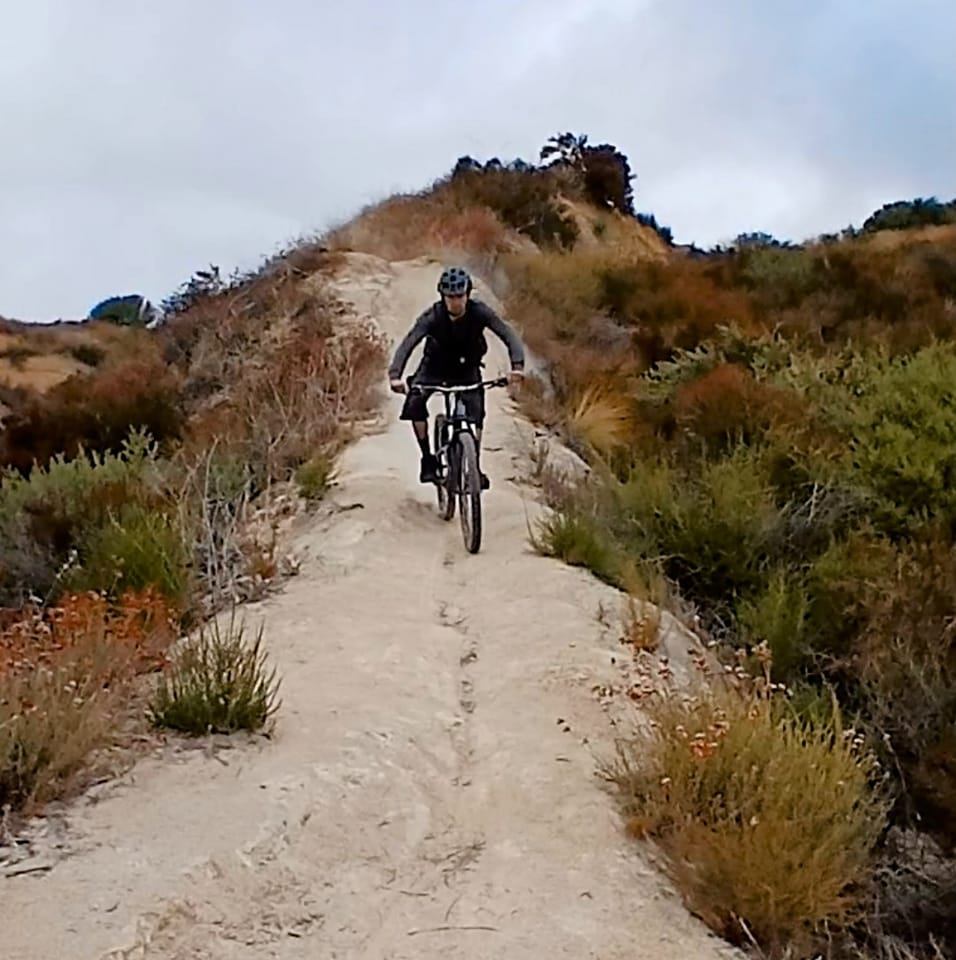
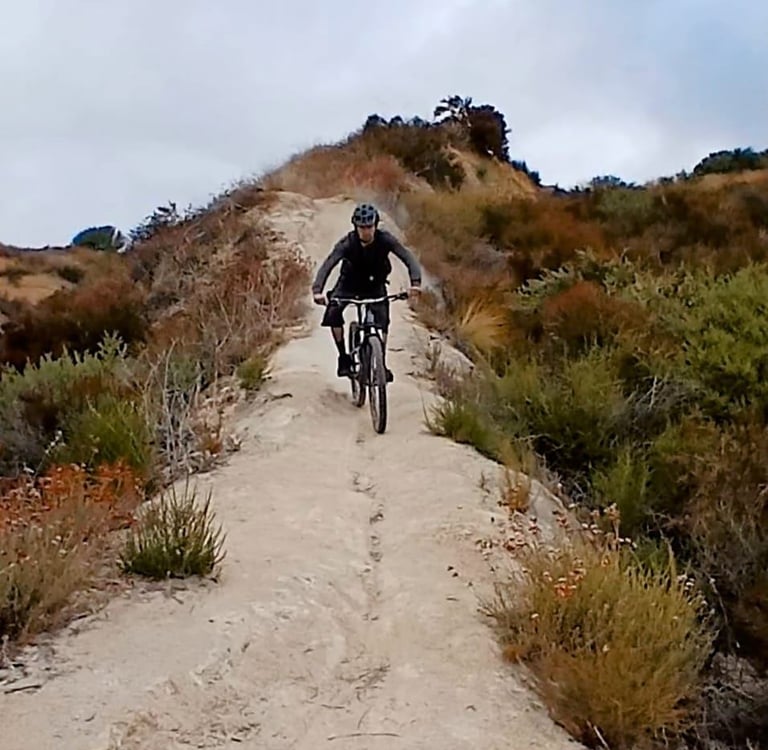
The last couple bikes I've picked up off Marketplace both came with Renthal wide bars and I've stuck with them. Sometimes I miss the narrower feel — there's a responsiveness to it, a quickness — but for most of what I ride in SoCal, wide open hills and dry terrain with room to move, wide bars make more sense.
What Wide Bars Actually Do
More leverage. When your hands are wider apart you have more mechanical advantage steering the bike, especially at speed or on technical terrain. Jumps, drops, rough sections — wide bars give you more to work with.
Better for manuals and wheelies. More width means more stability when the front end is up. This surprised me when I first felt it but it makes sense mechanically. Want to learn manuals and wheelies? See my post on manual and wheelie tips.
More confidence on descents. You're not fighting the bike as much. The wider stance translates to a more natural body position.
Where Narrow Still Wins
Tight trees. If your local trails run through dense forest you will feel wide bars. You'll clip things, have to think about gaps you'd otherwise just roll through. Narrow bars are genuinely faster in that environment.
Street and commuting. This one nobody talks about because most MTB content assumes you drive to the trailhead. I ride my bike everywhere — errands, commuting, getting around Highland. Wide bars mean thinking twice about squeezing through traffic gaps or fitting through tight spots. It's a real consideration if your bike is also your transportation.
Responsive feel. Narrow bars are quicker to input. Some riders prefer that twitchiness, especially XC riders who want fast handling over stability.
How to Find Your Width
A rough starting point is shoulder width. Measure across your shoulders and that's a reasonable baseline. From there it's personal — ride something and see how it feels.
The good news is bars are easy to cut. A hacksaw and a vise is all you need, same as it ever was. Cutting an inch off each side costs nothing and can completely change how a bike feels. If you buy bars that are too wide, trim them. If you cut too much, that's a harder problem, so go slow.
What About Risers?
High riser bars are having a moment right now. Taller bars bring your hands up and change your whole riding position, more upright, takes weight off your wrists. I get the logic especially for longer rides or riders with back issues. But I'll be honest — I'm not there yet. The look isn't for me and I haven't felt the need. Never say never but right now I'd rather keep things low and stay in my lane on that one.
The Bottom Line
Wider bars won. That's just where the sport landed and for most riding most of the time it's the right call. More control, better for technical terrain, better for jumps and skills. But narrow has its place and if you're riding tight woods or navigating city streets on the same bike, it's worth thinking about before you just copy whatever the pros are running. Also see my post on best grips for MTB.
Try both if you can. And if you've never ridden wide bars, find a way to get on a bike that has them for even one ride. It might change your mind the same way it changed mine.