Why Mountain Biking Feels Scary (And How to Actually Get Over It)
Fear is part of mountain biking at every level. Here's what it's actually telling you, how to tell the difference between fear that protects you and nerves that hold you back, and what actually works to push through it.
SKILLSBLOG
5/2/20264 min read
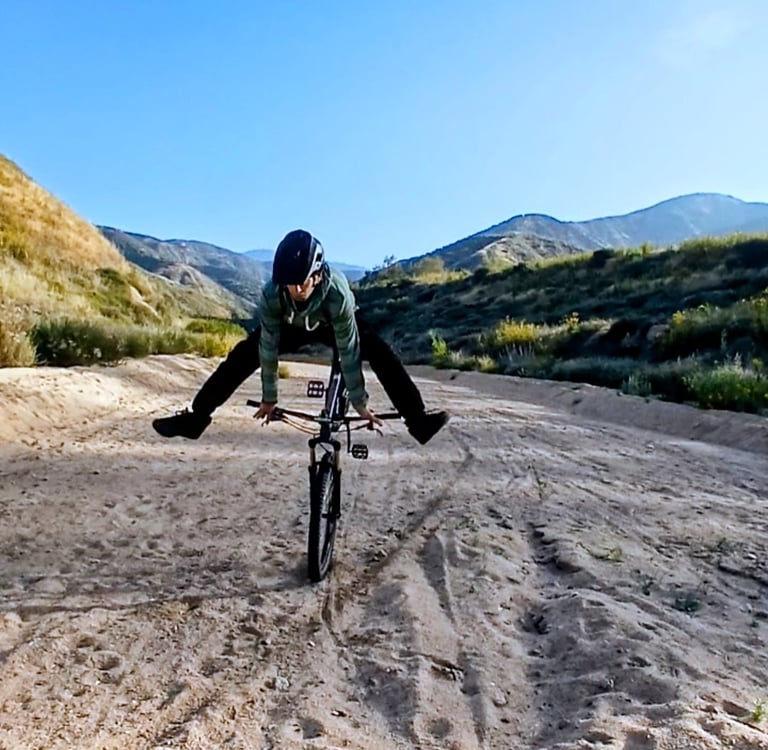
Why Mountain Biking Feels Scary (And How to Actually Get Over It)
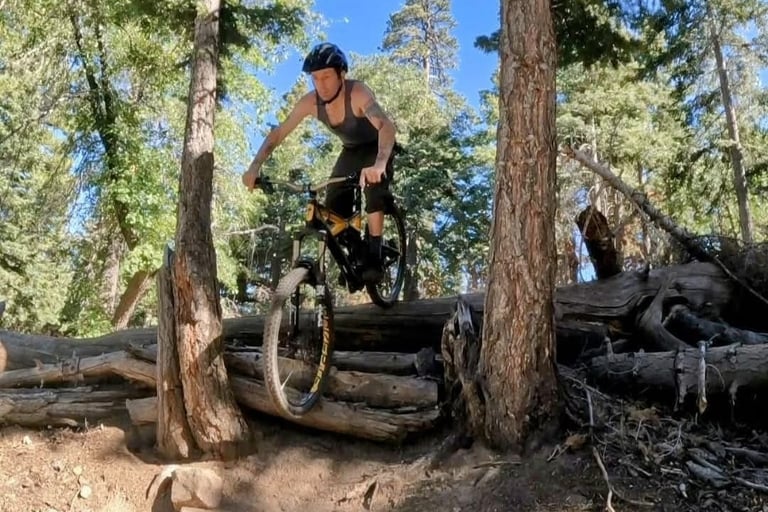
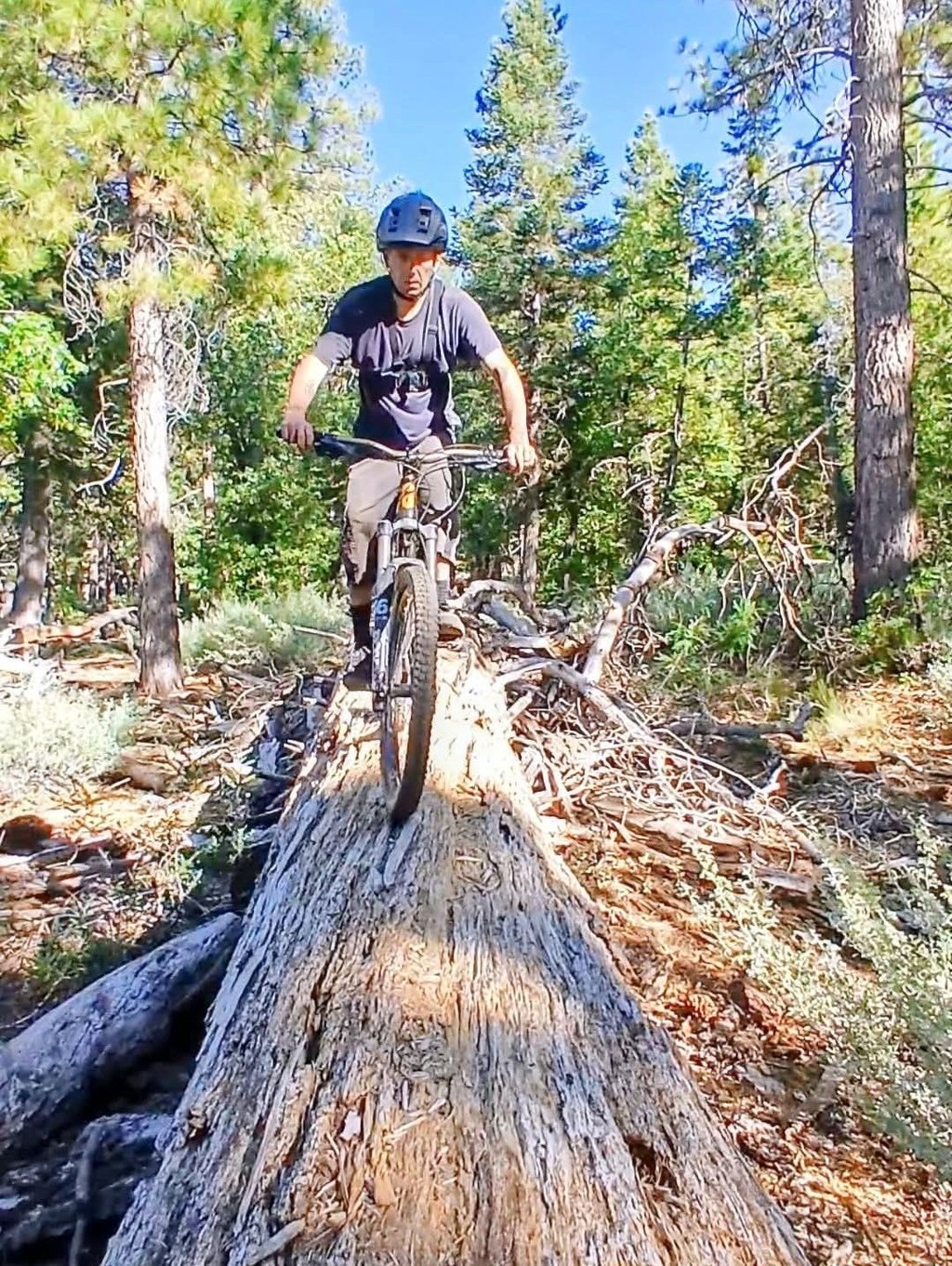
Fear is something every rider deals with. It doesn't matter if it's your first time on a trail, if you're a kid with a ramp in the driveway, a 50 year old just getting into the sport, or a pro lining up at Red Bull Rampage or a World Cup downhill. Fear shows up for everyone who pushes themselves on a bike. The difference isn't whether you feel it — it's knowing what it's telling you and how to respond to it.
What Fear Actually Feels Like
Fear on a bike has a physical signature most riders recognize immediately. Butterflies in the stomach. Shaking legs. That moment on the approach to a jump or a drop where your mind starts running worst case scenarios — you picture the crash, the injury, everything that could go wrong — and before you know it your hands are squeezing the brakes and the moment has passed. That spiral from nervous energy into full freeze is something almost every rider has experienced and almost nobody talks about honestly.
Fear Is Not the Enemy
Here's the thing — fear is actually useful. It means you're paying attention. It means the consequences are real to you and your body is taking that seriously. A little fear keeps you honest. It stops you from riding features you have no business being on and reminds you that what you're doing matters.
The problem isn't feeling fear. The problem is when fear takes over the decision making completely and shuts you down on things you're actually capable of doing. Learning to tell the difference between fear that's saying "I'm not ready for this" and fear that's saying "this matters and I'm nervous" is one of the most important skills you develop as a rider. The first kind deserves respect. The second kind is something you can work through.
A Story Worth Telling
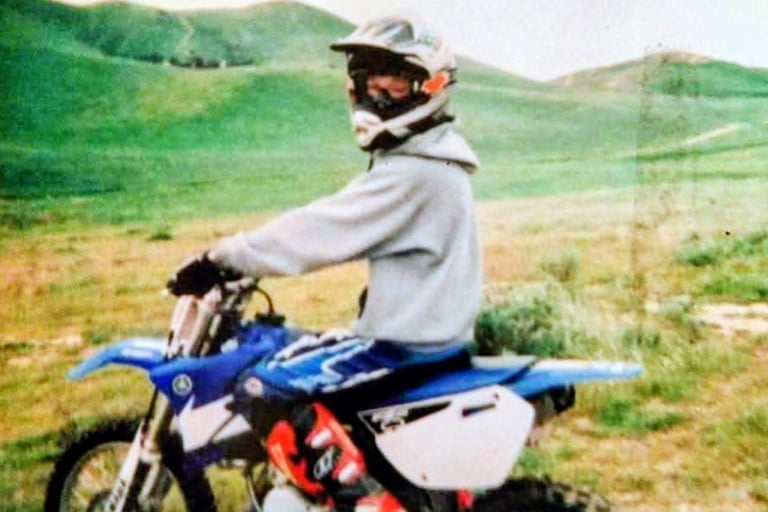
When I was 19 I was teaching my girlfriend at the time to ride dirt bikes. Without going into too much detail we ended up going off a small cliff together. We both got hurt. She got the worst of it — broken jaw, teeth wired shut, serious injuries. I visited her in the hospital expecting the experience to have ended her interest in riding entirely.
She told me she still wanted to dirt bike.
She didn't just go back eventually — she went deeper. Got proper gear, started going to tracks, got more into it than before. She could have taken that experience as a reason to never ride again and nobody would have blamed her. Instead she leaned into it. That's always stayed with me as an example of what the right response to fear looks like. Not ignoring it. Not pretending the crash didn't happen. Just deciding that what's on the other side of it is worth more than staying safe.
Know Your Capability First
Before anything else — and this is the most important thing in this post — make sure what you're afraid of is actually within your ability. Fear that's telling you this feature is beyond your current skill level is not something to push through. It's something to listen to.
There's a reason MTB fail videos exist. You can usually tell within a second that the person attempting something had no realistic chance of making it. That's not brave riding, that's ignoring the right kind of fear. Real progression means being honest about where your skills actually are before you decide to push your limits.
If you're confident you have the skills and it's nerves not capability holding you back — that's when the following actually helps.
What Actually Works
Give yourself a countdown. Five, four, three, two, one and you go. No thinking after one. The countdown cuts off the worst case scenario spiral before it can take hold. It sounds simple because it is, and it works.
Sometimes you just have to commit. There's a reason riders talk about the moment where you stop thinking and just go. Overthinking a feature you're capable of riding makes it harder not easier. At some point the thinking has to stop and the riding has to start.
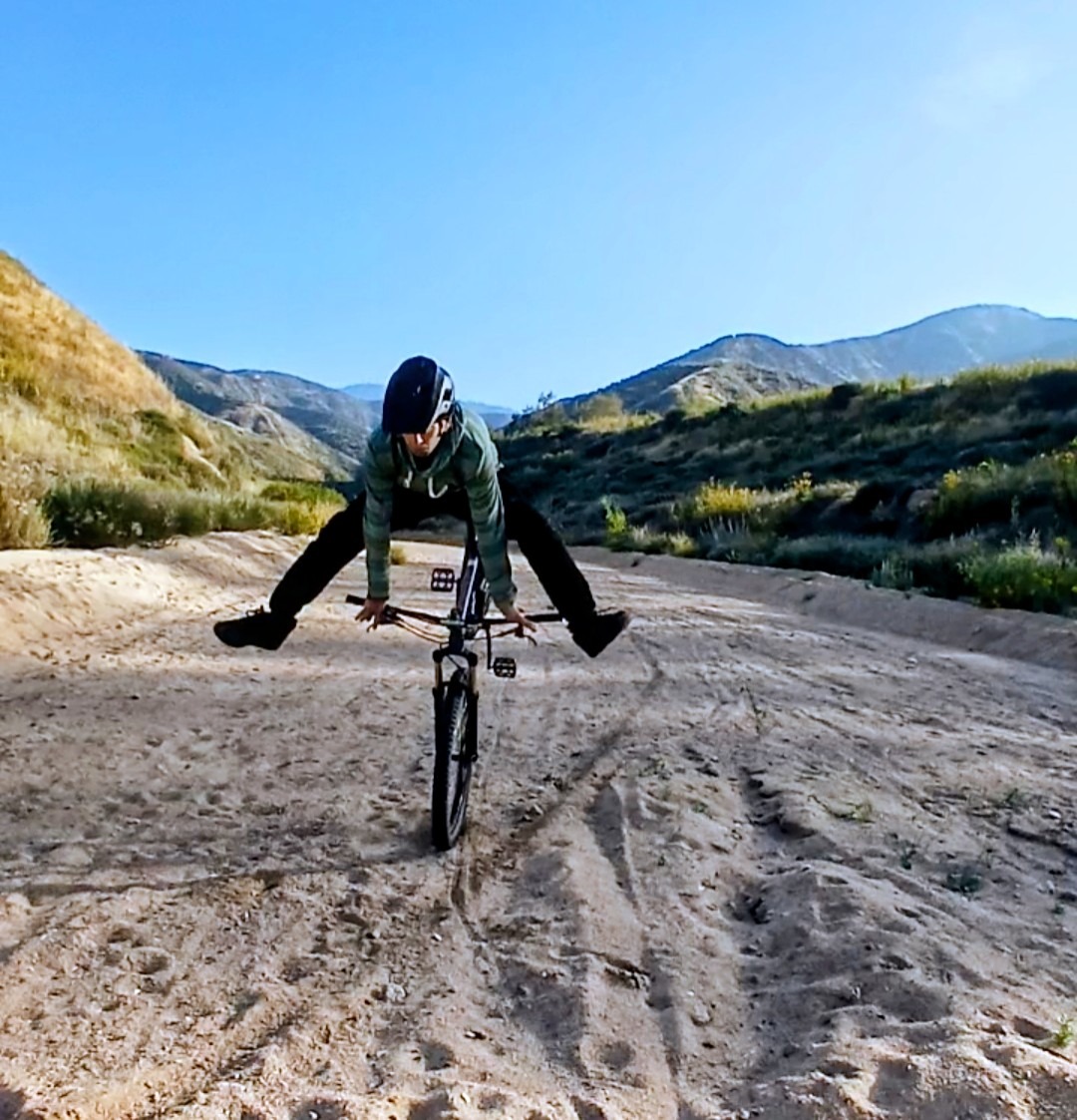
Hype yourself up. This sounds ridiculous until you try it. Jump up and down, ride around, throw a bunny hop, get your body moving and your heart rate up before you roll in. Getting physically activated helps. Standing still thinking about it does not.
Take a run up rather than stopping and starting. Momentum helps both physically and mentally. Rolling toward something committed is different from stopping, staring at it, and trying to talk yourself into it from a standstill.
Warm up on smaller features first. Don't walk up to the biggest thing on the trail cold. Build into it. Get your body and your mind into the rhythm of riding before you ask either of them to perform at the edge of your comfort zone.
And finally — video it. If you're nervous about a feature, set up your camera or your GoPro before you go. Knowing it's rolling does something psychological. And honestly, if it doesn't go well at least you'll have some footage worth watching.
The Bottom Line
Fear means you're pushing yourself. That's not a problem — that's the point. Learn to tell the difference between fear that's protecting you and fear that's just nerves, make sure your skills match what you're attempting, and then find your method for moving through it. Everyone has one. You'll find yours.
Feeling like you're overthinking it rather than actually being afraid? Check out the analysis paralysis post. And if you're not sure your skills are where they need to be yet, the five minute rule post is worth a read.