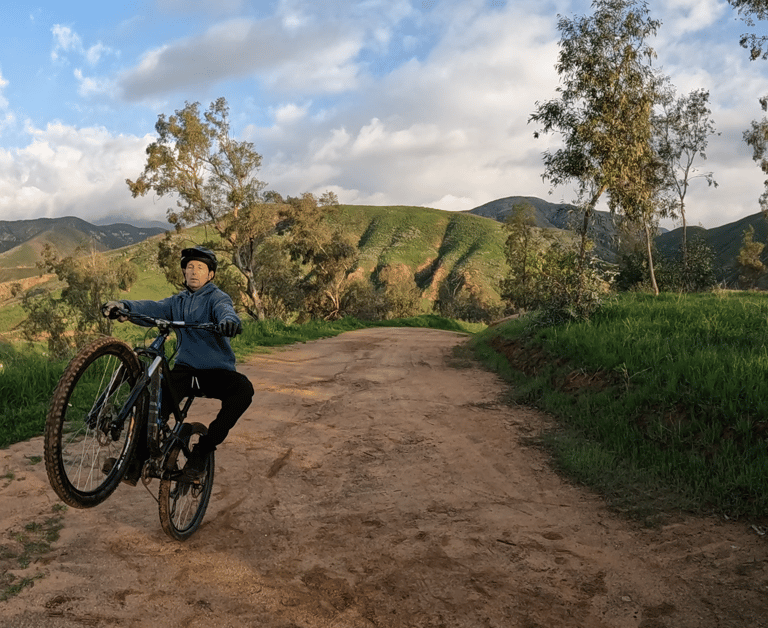
How to Stop Looping Out on a Wheelie (Rear Brake + Bail Tips for MTB)
Keep looping out when learning wheelies? Learn why it happens and how to prevent it using rear brake control, balance point tips, and safe bail practice. This beginner MTB guide will help you wheelie longer with confidence.
SKILLS
1/18/20264 min read
How to Stop Looping Out on a Wheelie (Beginner MTB Guide)
Do you keep looping out when you’re trying to learn wheelies? If so, this post is for you.
Looping out while learning wheelies is extremely common. It can be scary, painful, and honestly it’s one of the main reasons people give up on wheelies too early.
I’ll never forget my first bad loopout when I was learning wheelies as a kid. It was partly my fault because I was making a couple key mistakes you can avoid.
First, I was learning with clipless pedals. Second, I was doing more of a stand-up wheelie. Third, my bike didn’t have the best brakes.
I looped out clipped in, slammed back on the cement, and somehow got a nasty cut to the inside of my arm (that soft spot where your arm bends).
After that, I started riding wheelies on flat pedals, which is 100% what I recommend for learning. It makes everything safer and it makes it easier to improve faster.
Affiliate link spots:
Why You Keep Looping Out on Wheelies
Looping out happens when you go past the balance point.
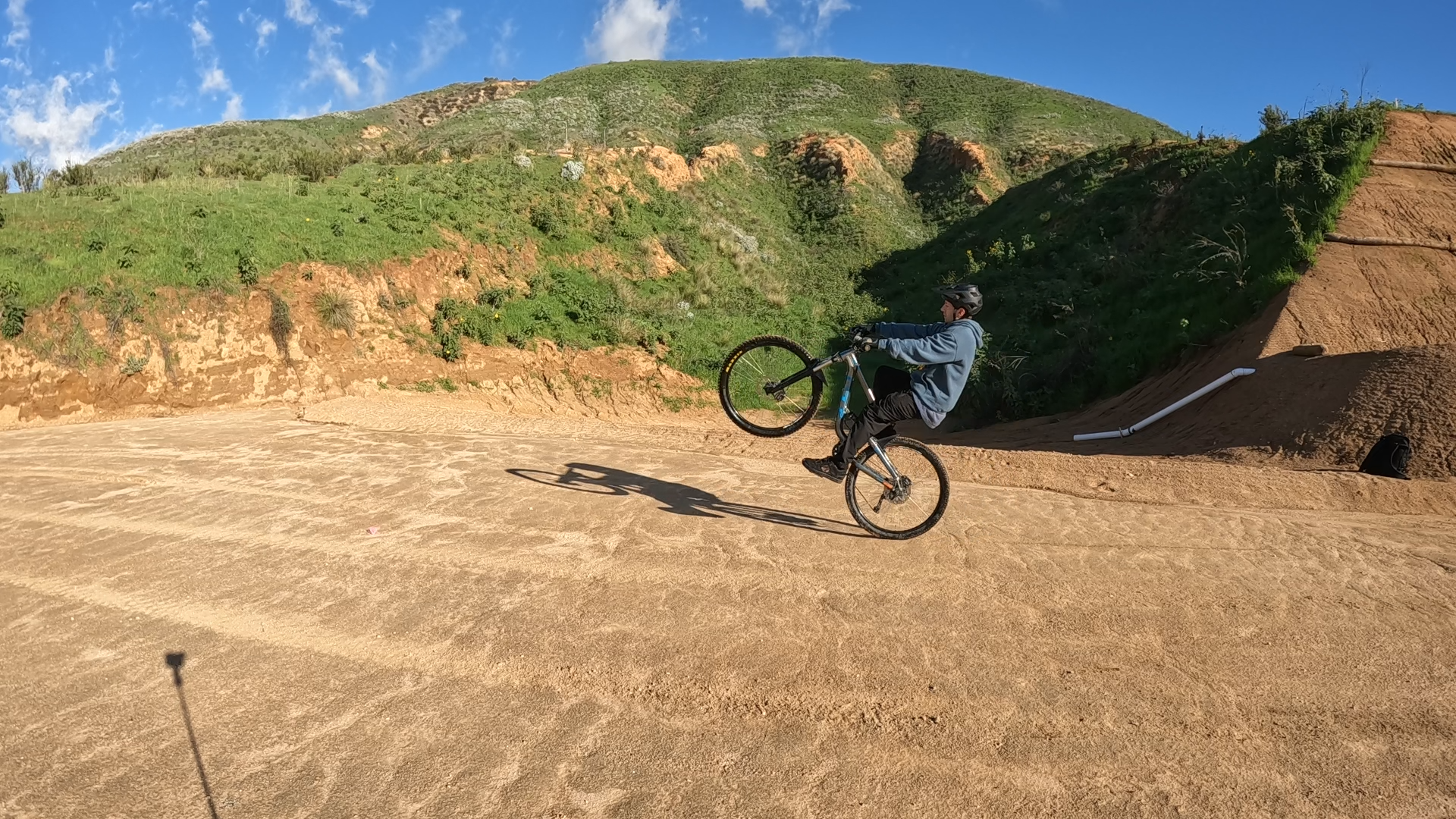
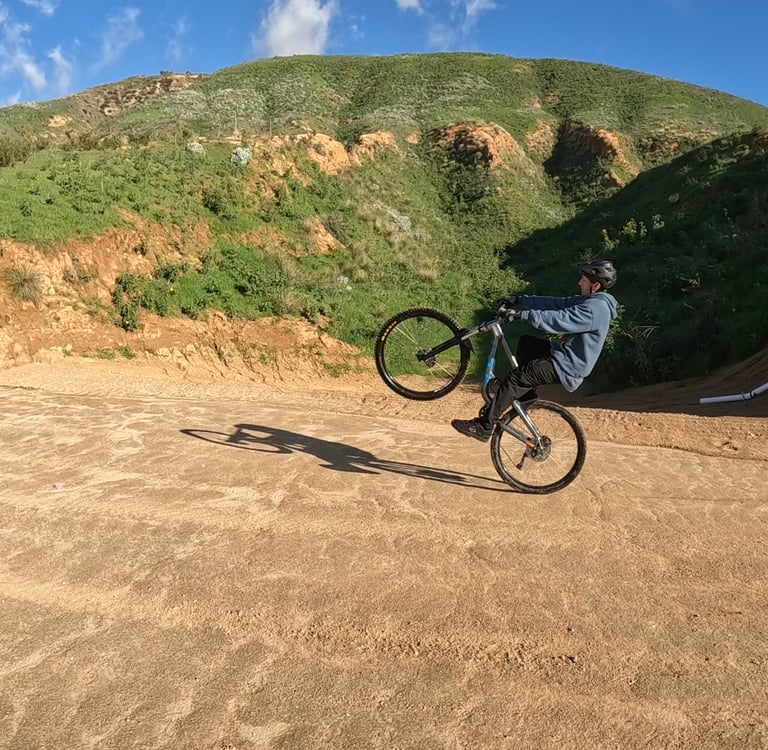
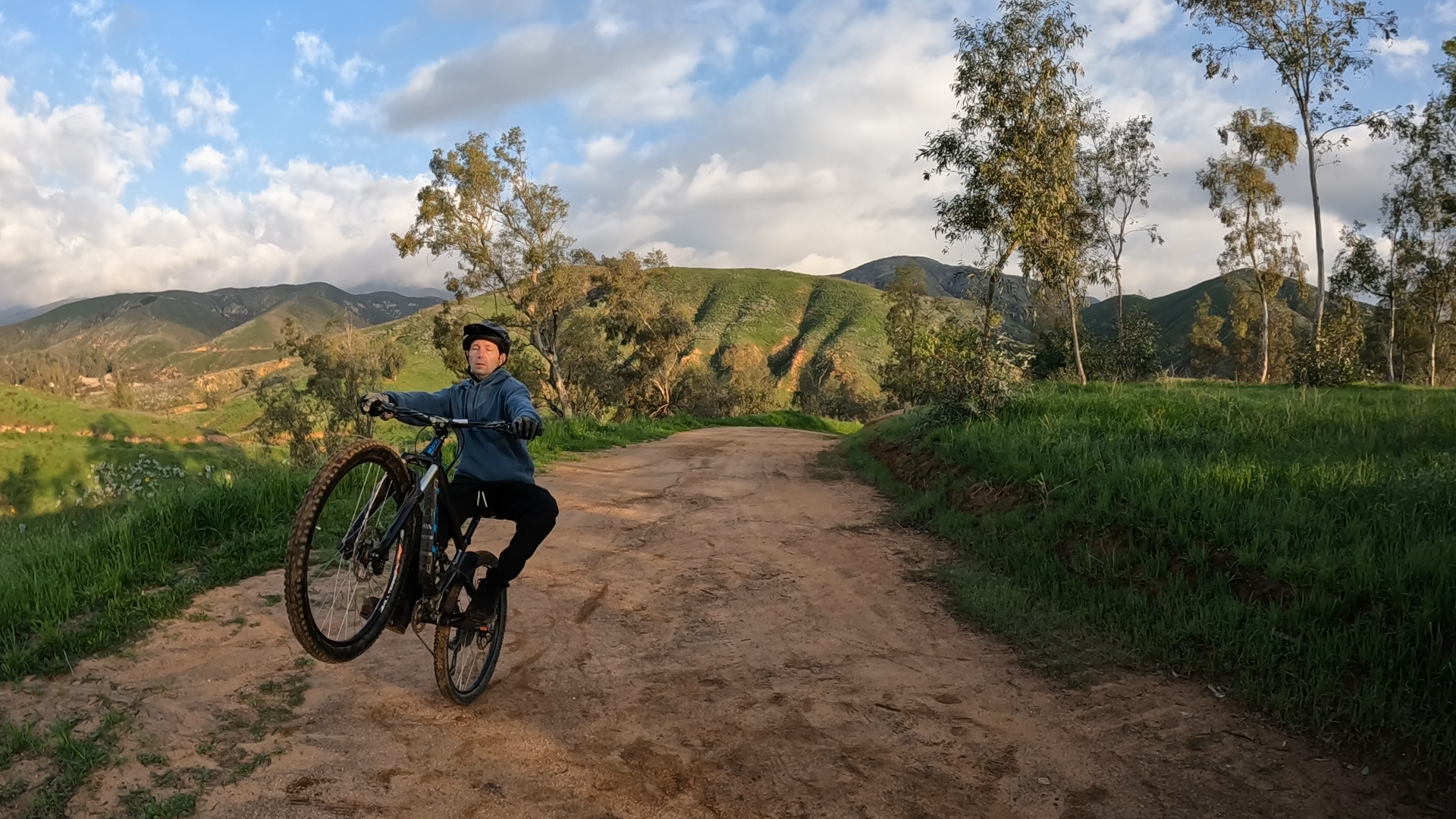
The balance point is that sweet spot where you can glide on the back wheel without fighting the bike. You’re not pedaling like crazy trying to keep the front wheel up, and you’re not falling backward either.
When you go past that point without control, the bike loops out.
The #1 reason beginners loop out
Most beginners are not controlling the balance point yet.
They either:
panic and pedal too hard
pull too aggressively
or they get too far back and have no rear brake control
The Rear Brake Is the Key to Not Looping Out
The #1 skill that stops loopouts is learning to use the rear brake.
A lot of beginners think wheelies are all about balance and pedaling, but the rear brake is basically your safety switch.
It lets you correct instantly if you get too far back.
Practice drill: rear brake taps
Go to a safe flat area and do a few practice attempts like this:
Lift the front wheel up
As you start to get too far back, tap the rear brake
The front wheel will drop down fast
At first, your front wheel might slam down. That’s normal.
The goal is to build control so you’re not grabbing the brake, you’re just tapping or feathering it.
The real goal: feathering the brake
Eventually, it becomes almost like this:
you are pedaling
and lightly controlling the rear brake at the same time
Not a full grab. More like a constant light feathering, especially as you get near the balance point.
How to Bail Safely (This Makes Wheelies Way Easier)
Here’s something most wheelie tutorials mention, but not enough people actually practice.
A loopout does NOT have to mean you slam into the ground and get hurt.
That’s why learning to bail safely is important.
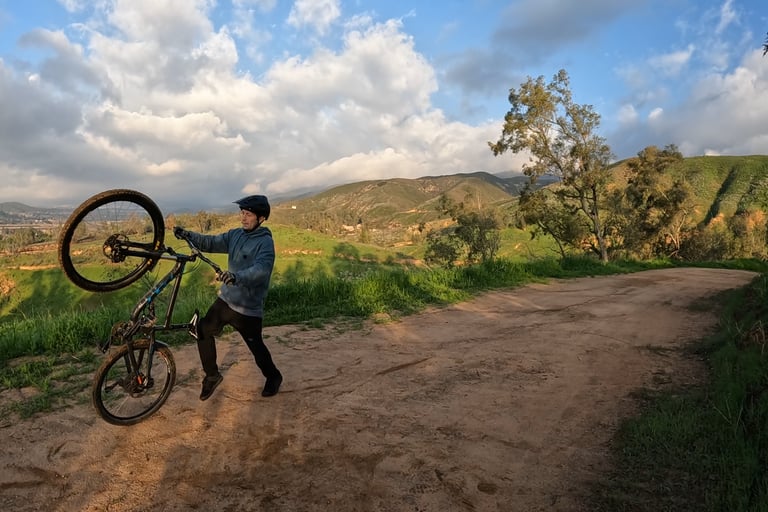
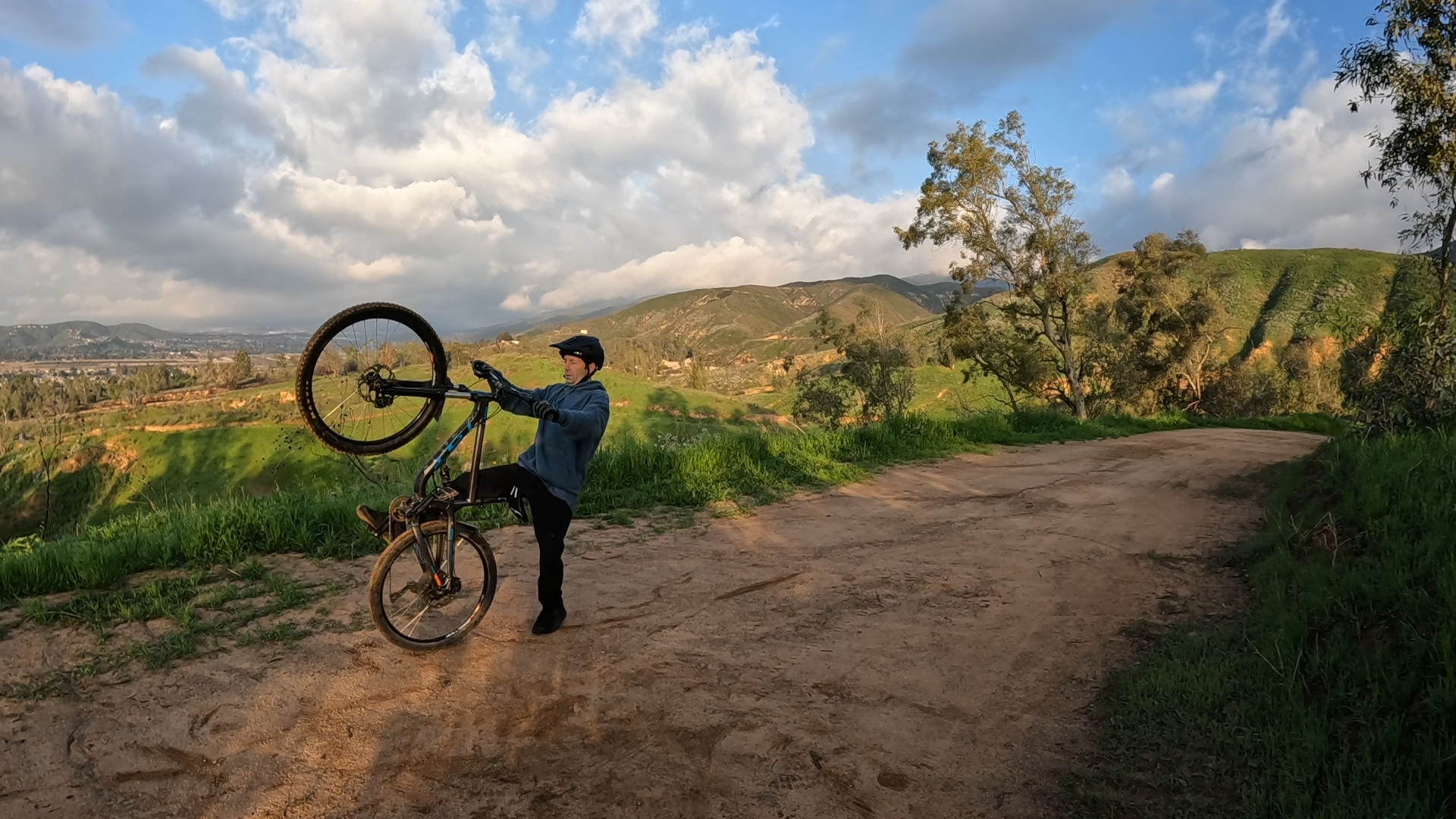
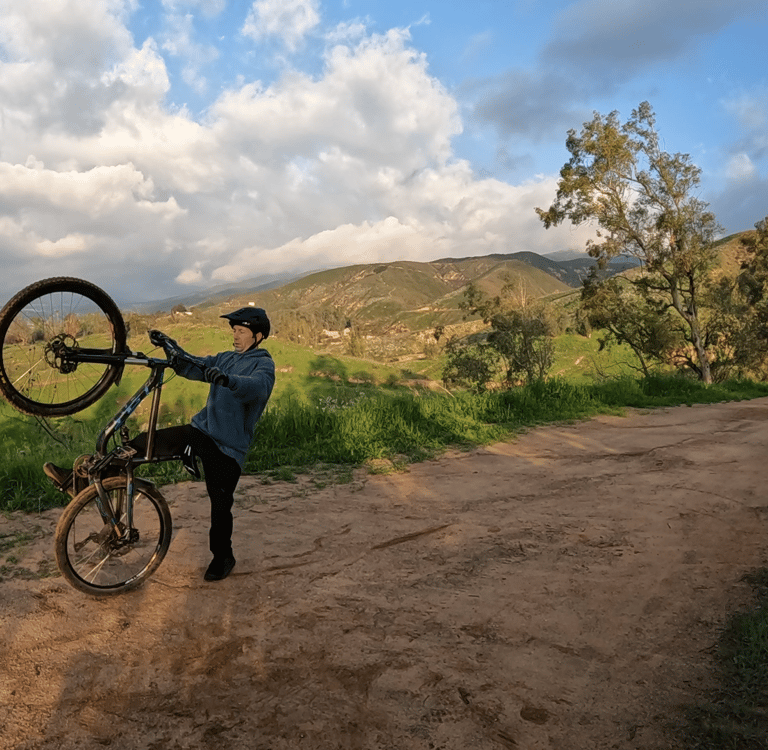
How to bail out of a wheelie
If you go past the balance point:
Step off the back with one foot first
Then step off with the other foot
That’s it.
This is also why flat pedals are so important. If you’re learning clipped in, it adds risk and makes bailing harder.
Why Bail Practice Helps You Learn Faster
This is a big mindset shift.
The fear of looping out keeps most riders from ever lifting the front wheel high enough to reach the real balance point.
It’s a valid fear. Getting hurt sucks.
But once you practice bailing, you remove a lot of that fear.
When the fear goes down, you finally allow yourself to:
lift the front wheel higher
get closer to balance point
stay in the wheelie longer
improve faster
What the Balance Point Feels Like
When you hit the balance point, it feels different.
You are not fighting the bike.
It feels more like gliding on the rear wheel rather than holding on for dear life.
Some riders say a manual machine helps teach this feeling, and it can. But you don’t need one. You can learn it the normal way with good practice, rear brake control, and bailing.
Common Mistakes That Cause Loopouts
Here are a few quick mistakes I see beginners making all the time:
Mistake 1: Learning clipped in
It’s not worth it for learning.
Mistake 2: Not covering the rear brake
If your foot is not ready on the rear brake, you will loop out eventually.
Mistake 3: Not practicing bailing
Most riders fear wheelies because they never learned how to safely step off.
Final Thoughts (Don’t Get Discouraged)
If you’re looping out a lot, don’t get discouraged.
You’re not going to learn wheelies overnight, and you’re probably not going to learn them in a week either. For most riders it takes months, sometimes longer.
But once it clicks, you’ll be hooked for life.
Stay safe, practice your rear brake control, learn to bail correctly, and keep that front wheel up.
Want to Improve Your Manuals and Wheelies Next?
Stopping loopouts is a huge step, but the real progress happens when you start building better balance point control and smoother body position.
If you want to keep progressing, check out this post next:
Affiliate Disclosure
This post may contain affiliate links. If you click a link and make a purchase, I may earn a small commission at no extra cost to you. As an Amazon Associate, I earn from qualifying purchases. Thanks for supporting my work.