How Much Suspension Travel Do You Really Need for Trail Riding?
How much suspension travel do you really need for trail riding? Learn how different bike travel feels on flow trails, rough terrain, and bike parks.
GEAR
2/7/20263 min read
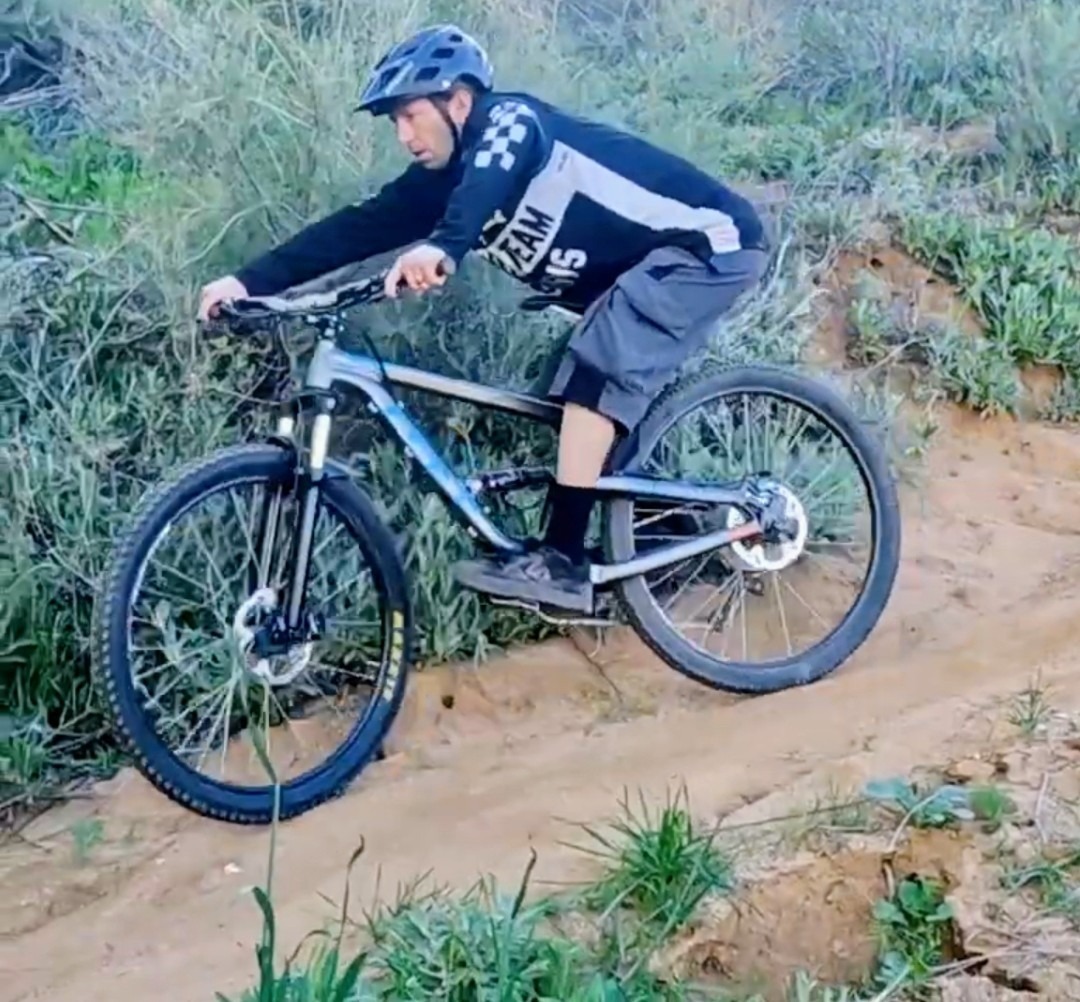
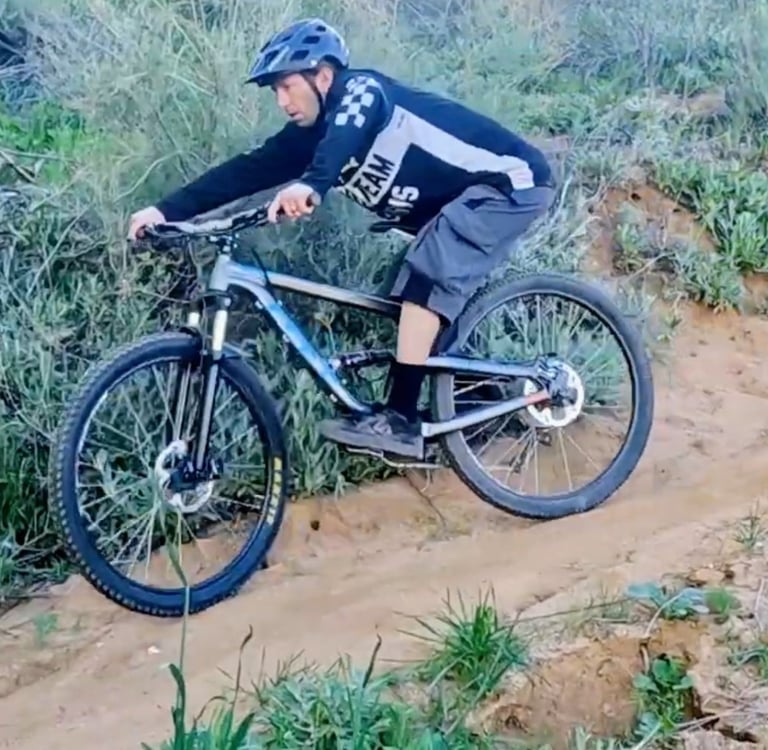
How Much Suspension Travel Do You Really Need for Trail Riding?
When riders talk about mountain bikes, suspension travel often becomes the main focus. Bigger numbers can sound better, especially when bikes are marketed for aggressive riding. But how much suspension travel you actually need depends far more on where you ride and how you like to ride than on specs alone.
I am not a suspension tuner or a bike setup expert. I am speaking purely from riding experience. Over the years, I have ridden hardtails, trail bikes, enduro bikes, and full downhill bikes. Each one feels very different on the trail, and each one shines in different situations.
If you are still deciding between bike types, this also connects closely with the differences between hardtail and full suspension mountain bikes, especially when it comes to learning technique and riding smoother trails.
What Shorter Travel Bikes Feel Like on Trail
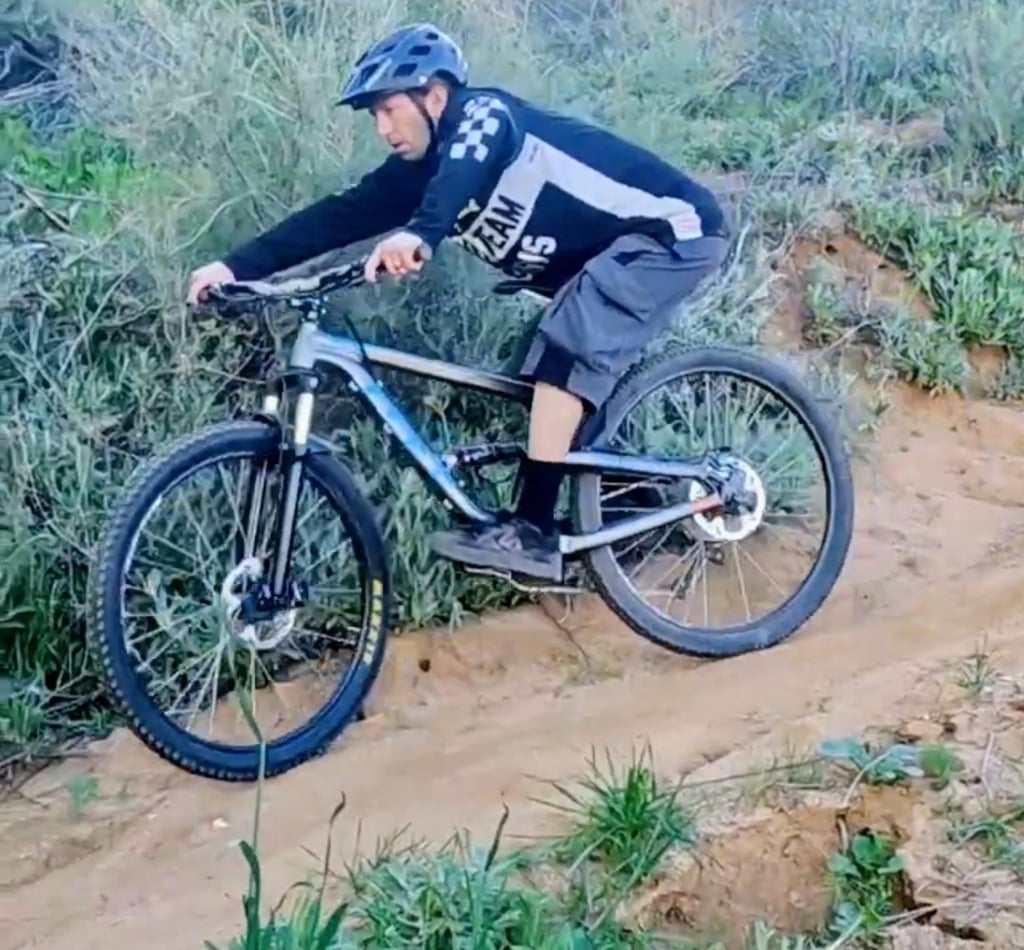
Bikes with less suspension travel, including hardtails and trail bikes, tend to feel more lively.
On smoother trails and flow lines, shorter travel bikes:
carry speed well
respond quickly to pumping
feel lighter and more playful
reward good timing and technique
I often find that I have more fun on trail bikes on flowy terrain. When the trail has rollers, berms, and transitions, less suspension lets you pump the trail and generate speed without pedaling as much.
Shorter travel bikes feel fast because very little energy is lost to suspension movement. What you put into the bike comes back to you.
What More Suspension Travel Changes
As suspension travel increases, the bike starts to feel more planted and forgiving.
Enduro and downhill bikes:
feel stable at speed
smooth out rough terrain
reduce fatigue on long descents
inspire confidence on steep or rocky trails
On rough trails or at bike parks, more suspension can be a huge advantage. The bike absorbs impacts that would otherwise beat you up. This allows you to stay relaxed and focused instead of fighting the trail.
When terrain gets fast and chaotic, more travel helps the bike stay composed.
Where More Suspension Can Hurt Momentum
More suspension is not always better.
On smoother trails, bikes with a lot of travel can feel slower and less engaging. The suspension absorbs energy that you might otherwise use to pump the trail.
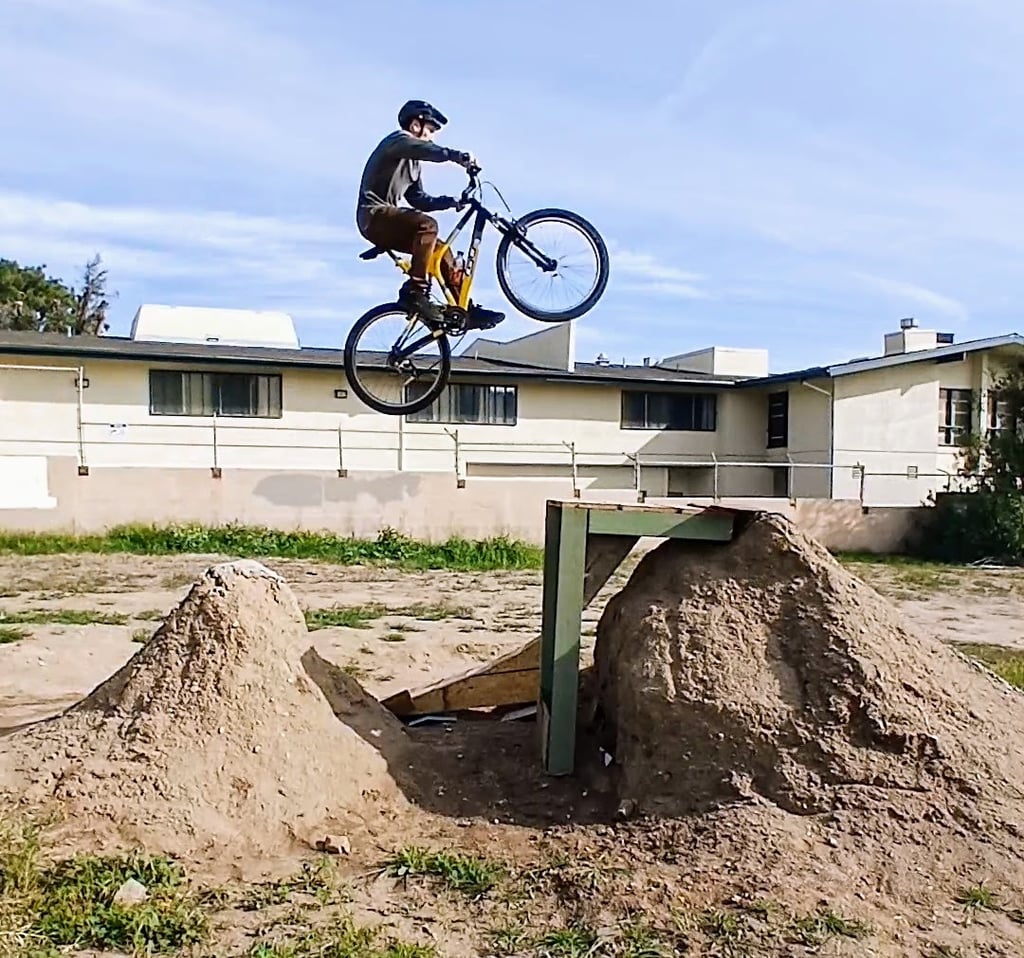
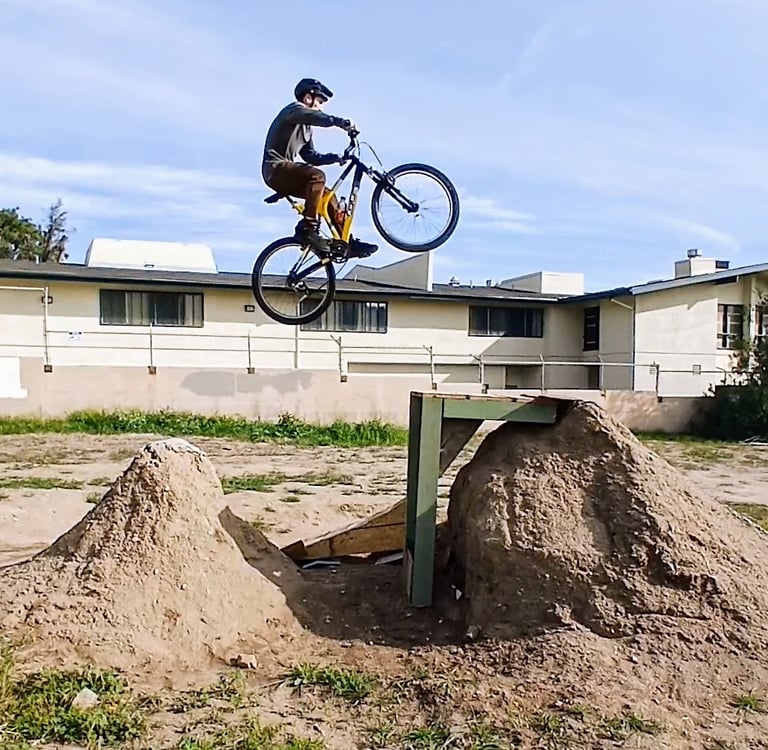
I notice this especially on jump lines or trails with multiple features in a row. With more suspension:
speed can bleed off between features
timing matters more to maintain momentum
the bike can feel dull on mellow terrain
This does not mean long travel bikes are bad. It just means they are designed for a different type of riding.
Matching Suspension Travel to the Trail
Instead of thinking about suspension travel as good or bad, it helps to think about matching the bike to the trail.
Flow trails and smoother singletrack often feel best on:
hardtails
shorter travel trail bikes
Rocky trails, steep terrain, and bike parks tend to favor:
longer travel trail bikes
enduro bikes
downhill bikes
The goal is not to have the most suspension. The goal is to have the right amount of suspension for how and where you ride.
Fun Matters More Than Numbers
One thing that often gets overlooked is fun.
A bike that is perfect on paper might not be the bike that makes you smile the most on your local trails. I often find myself enjoying lighter, shorter travel bikes more on everyday rides, even though I appreciate long travel bikes in the right terrain.
More suspension can make riding easier, but less suspension can make riding more engaging.
Final Thoughts
You do not need to chase suspension numbers to ride well or have fun.
The right amount of suspension travel depends on:
your local trails
how fast you like to ride
whether you value playfulness or stability
how much rough terrain you ride regularly
If you choose a bike that matches your trails and riding style, you will enjoy riding more and ride better. Suspension travel is just a tool, not a measure of skill or seriousness.