Hardtail vs Full Suspension Mountain Bikes: Which Is Better for Learning?
Hardtail vs full suspension mountain bikes explained. Learn the pros and cons of each, which is better for learning technique, jumps, and trail riding, and how to choose the right bike.
GEAR
2/7/20264 min read
Hardtail vs Full Suspension Mountain Bikes: Which Is Better for Learning?
When choosing a mountain bike, one of the biggest questions riders face is whether to ride a hardtail or a full suspension bike. Both have clear advantages, but the best choice depends on what you want to learn, where you ride, and how you want the bike to feel.
Before worrying about advanced upgrades, it also helps to think about the basics that affect control and safety. Things like whether you ride flat pedals or clipless pedals, and choosing a proper helmet that fits your riding style, can matter just as much as the bike itself. If you are still dialing in the fundamentals, those decisions often come before the suspension debate.
When I first got into mountain biking, I rode an old Specialized Rockhopper hardtail. The first time I went to a ski lift bike park, I asked my dad a question that stuck with me. I asked if a pro rider like Shaun Palmer would still be faster if we switched bikes. He said yes. It is not the bike, it is the rider.
That lesson still applies today.
What Is a Hardtail Mountain Bike?
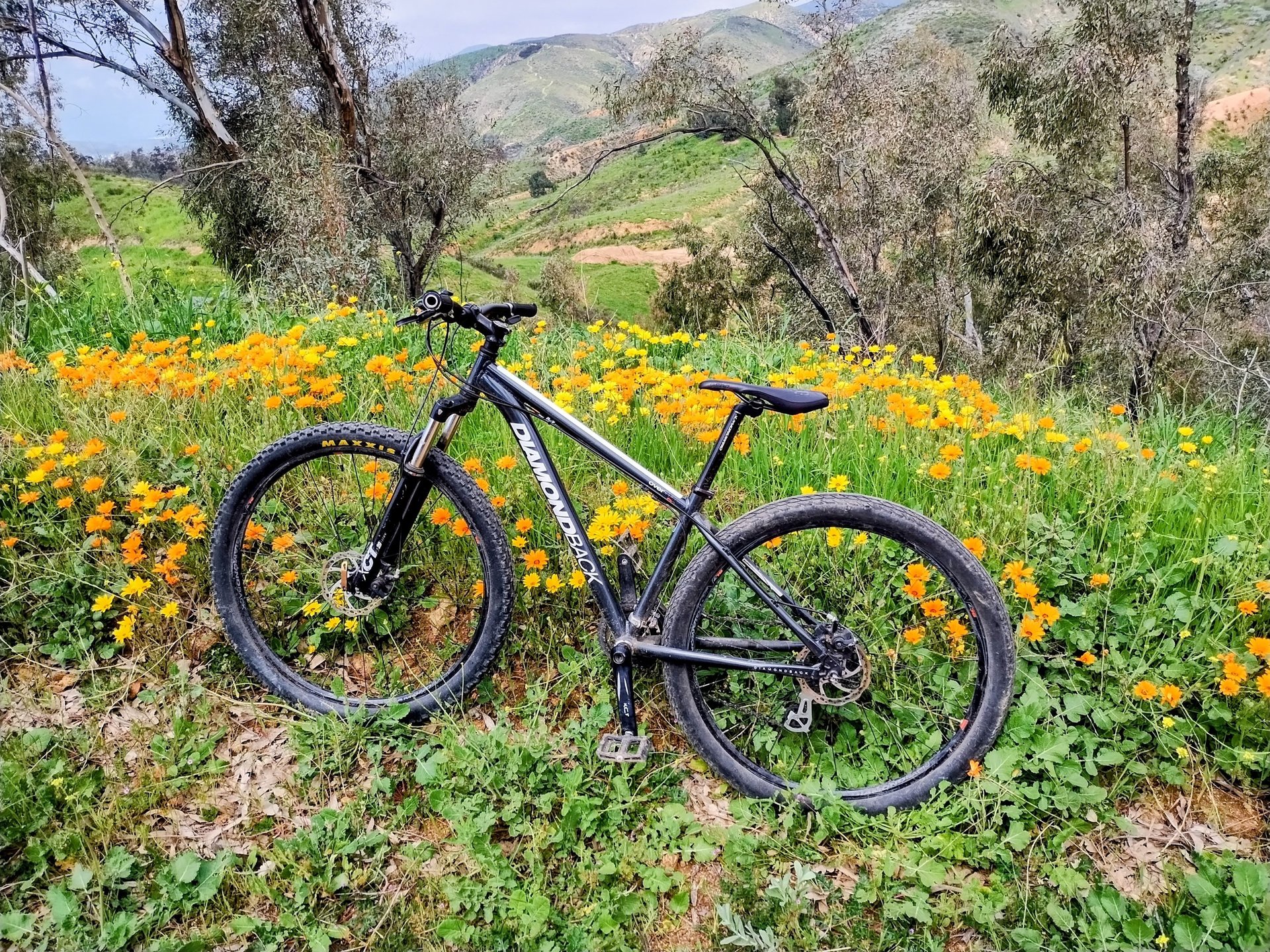
A hardtail has front suspension but no rear suspension. The rear wheel is fixed to the frame, which makes the bike lighter and more direct.
Because there is no rear shock, hardtails transfer rider input straight into the ground. You feel the trail more, and the bike responds instantly to pumping, pedaling, and body movement.
What Is a Full Suspension Mountain Bike?
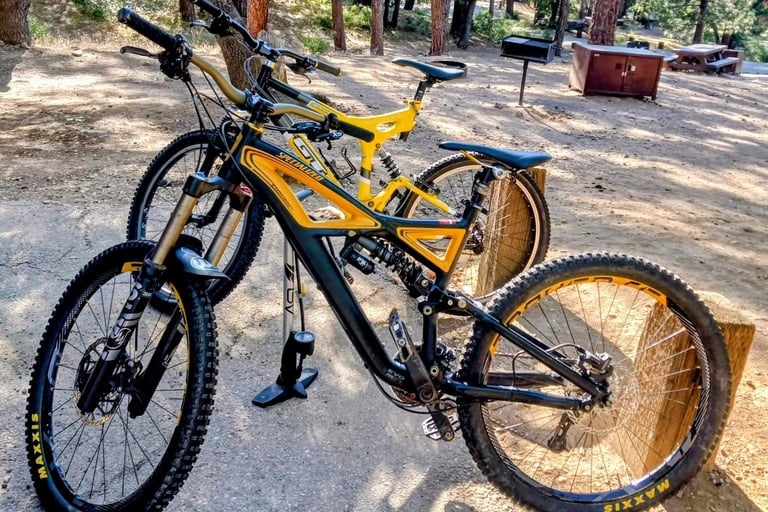
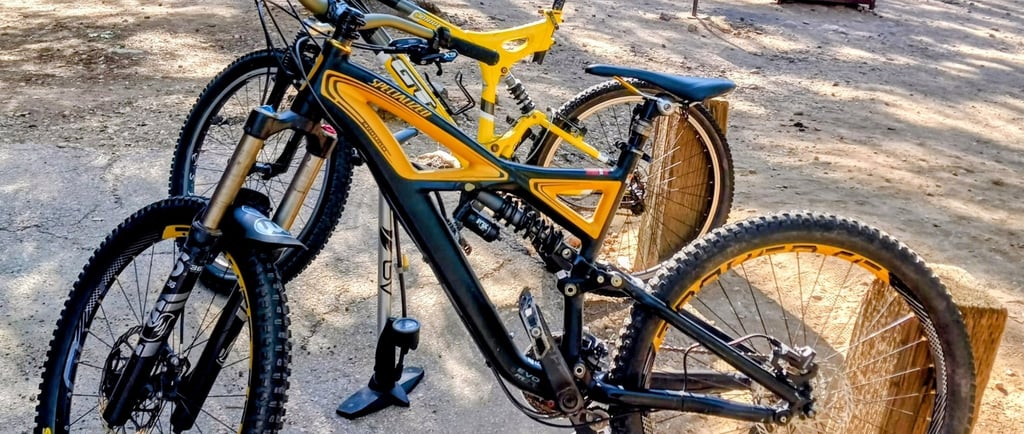
A full suspension bike has both front and rear suspension. The rear shock helps absorb impacts, smooth out rough terrain, and reduce fatigue.
Full suspension bikes are more forgiving and more comfortable, especially on fast or rough trails. They allow riders to maintain control in terrain that would feel harsh on a hardtail.
Why Learning on a Hardtail Can Improve Technique
One of the biggest benefits of a hardtail is how much it teaches you.
Because the bike does not absorb mistakes, you learn:
proper body position
smooth braking
efficient line choice
how to pump terrain instead of relying on suspension
If you learn on a very cushy full suspension bike, the suspension can cover up poor technique. You can get away with mistakes without realizing it. A hardtail forces you to ride smoother and be more precise.
Where Hardtails Can Actually Be More Fun
On certain trails, hardtails can be more fun than full suspension bikes.
Hardtails are lighter and more efficient, which makes them great for:
pumping rollers and trail features
generating speed without pedaling
flowing through smoother terrain
On mellow trails with good shape, a hardtail rewards timing and technique. When you pump the trail correctly, the bike accelerates and feels fast in a very satisfying way.
How Suspension Can Steal Speed on Jumps
Full suspension bikes are excellent, but they are not free of tradeoffs.
On jump lines or trails with multiple features in a row:
rear suspension can absorb pump
poor timing loses speed
the bike can feel less lively between jumps
Hardtails often carry speed better through jump lines because there is no rear shock soaking up energy. This forces you to preload correctly and use your body instead of relying on the bike.
Braking Bumps and Rough Trails
This is where hardtails can struggle.
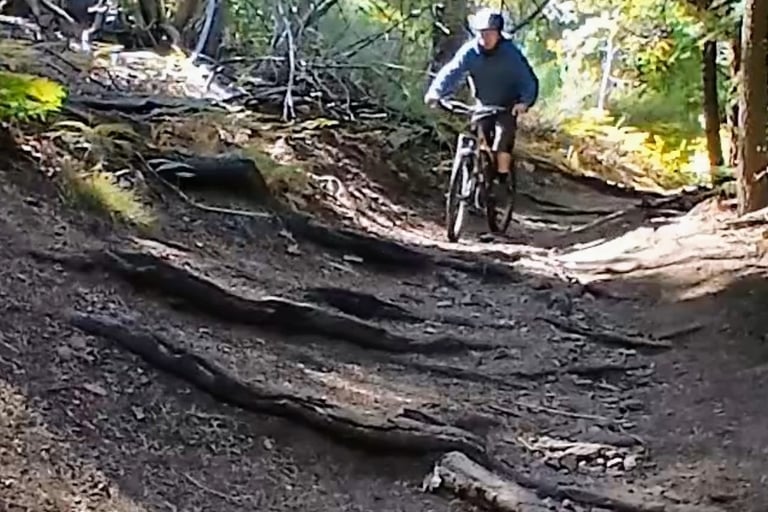
Modern trails see a lot more traffic than they used to, which creates braking bumps and rough surfaces. On these trails:
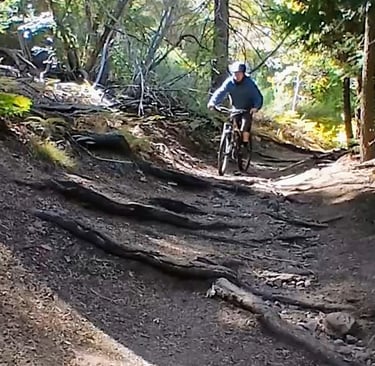
hardtails can feel harsh
riders get rattled quickly
it can be exhausting, especially for beginners
Full suspension bikes handle braking bumps much better and help riders stay relaxed and in control. This can be a big advantage on popular or heavily worn trails.
Hardtail vs Full Suspension for Jumps
Hardtails and full suspension bikes teach different lessons when jumping.
On a hardtail:
timing matters more
preload must be correct
mistakes are obvious
On full suspension:
the bike is more forgiving
bad timing sometimes still works
it is easier to rely on the bike
Neither is wrong, but learning on a hardtail often builds stronger fundamentals.
Wheelies, Manuals, and Balance Skills
Hardtails are excellent for learning balance skills.
Because there is no rear suspension movement:
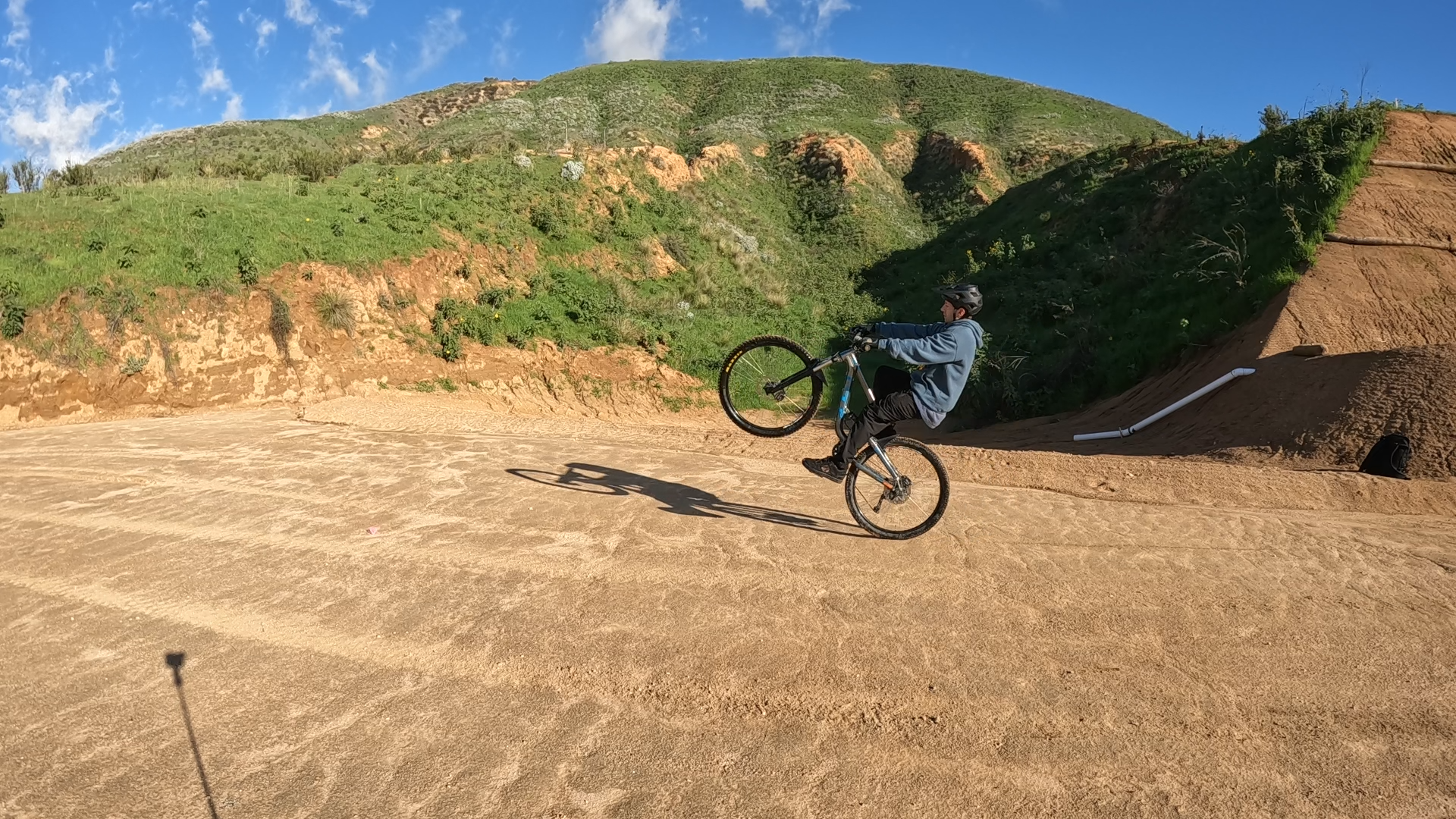
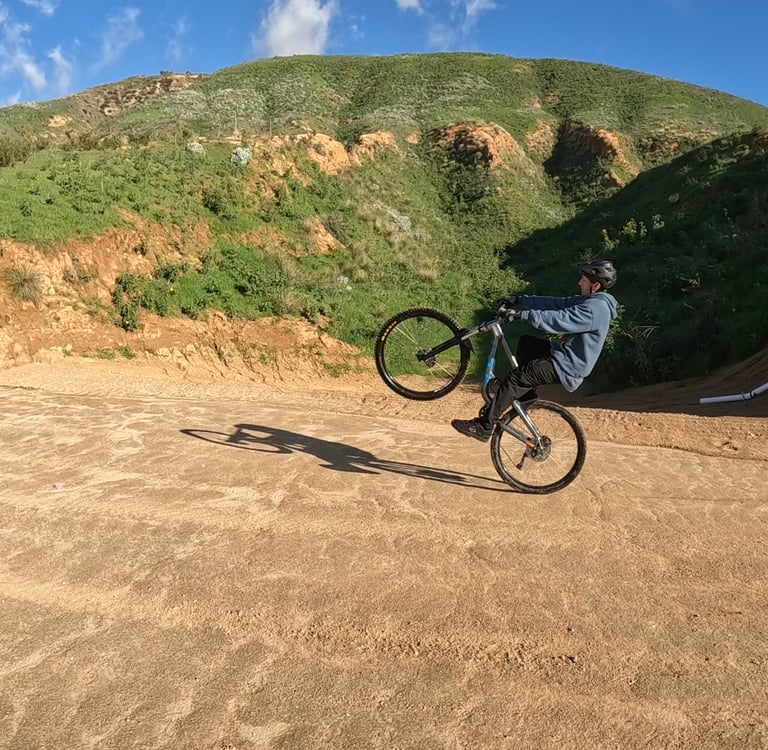
wheelies feel more direct
manuals have a consistent balance point
feedback is clearer
On full suspension bikes, sag and suspension movement can change how balance skills feel. This does not make them harder, just different.
Many riders find it easier to learn wheelies and manuals on a hardtail before transferring those skills to full suspension bikes.
Which One Is Better?
There is no single correct answer.
Hardtails:
improve technique
reward smooth riding
feel fast on flowy trails
are great learning tools
Full suspension bikes:
handle rough terrain better
reduce fatigue
forgive mistakes
shine on fast and choppy trails
The best riders are not defined by the bike they ride. They are defined by how well they use terrain, timing, and technique.
If you learn those skills well, they transfer to any bike.