Budget MTB Helmets I Use and Recommend (Half Shell & Full Face)
Looking for a safe, affordable mountain bike helmet? Here’s my honest review of the BATFOX half shell and the Demon United Podium full face — fit, comfort, protection, and why they’ve worked for me on trails and at the bike park.
GEAR
10/5/20255 min read
Budget MTB Helmets I Actually Use — Half Shell and Full Face
This post contains affiliate links. If you purchase through these links I may earn a small commission at no extra cost to you.
I used to be bad about not wearing a helmet. My thinking was I'd put one on when I was doing something dangerous, like that's a line you can actually see coming. Spoiler: you can't.
The thing that changed my mind wasn't a single crash, it was a combination of things over the years. My grandpa rode with me once when I was a kid, crashed hard, and cracked his cheap half shell clean in half. He got knocked out so hard he didn't know who the president was. I had to ride across a field to get help from a friend's mom who drove out to get him. That stuck with me.
The other thing was my first Christmas with a real full face helmet. My dad got me a Vigor full face and somehow I ended up with two black eyes. To this day I'm not totally sure how that works mechanically but it happened, and when I showed up to school someone asked if someone hit me at home. No, I crashed my bike into a pile of rocks. Helmets work.
These days I always wear one. A half shell for trail riding, a full face for bike park and bigger jump sessions. Here's what I actually ride and what I'd recommend if you're trying to gear up without spending a fortune.
Half Shell vs Full Face — Which Do You Need
Half shell helmets cover the top and sides of your head but leave your face exposed. They're lighter, cooler, and fine for most trail riding and casual riding.
Full face helmets add a chin bar that protects your jaw and face. They're heavier and hotter but genuinely necessary for certain riding.
Here's how I think about it: cross country and casual trail riding, a half shell is fine. Learning jumps, I'd recommend at least a half shell but a full face gives you more peace of mind. Bike park and downhill, full face every time. Enduro is somewhere in the middle, some riders go full face, some don't, but I'd lean toward full face for anything with consequential features.
The chin bar is what saves your face in a crash. Most MTB injuries that involve facial reconstruction happen when someone goes over the bars without a chin bar. It's not worth skipping.
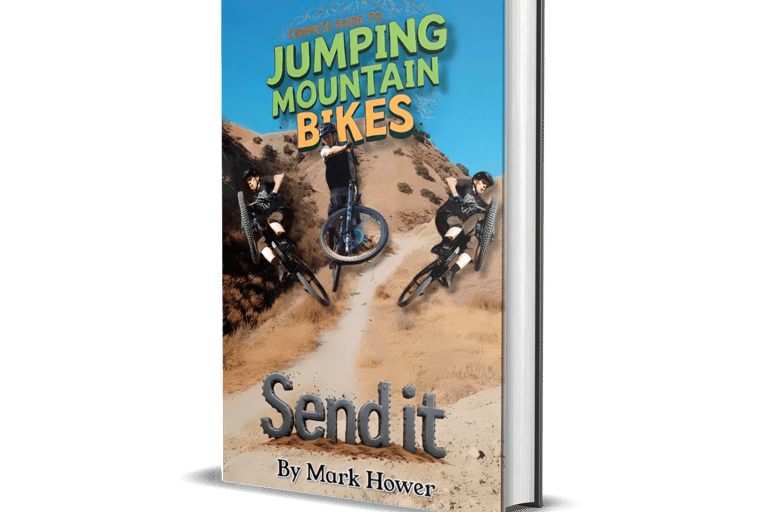
If you're just starting to work on jumps, my complete guide to jumping mountain bikes covers everything from takeoff technique to reading lips safely.
Recommended Helmets
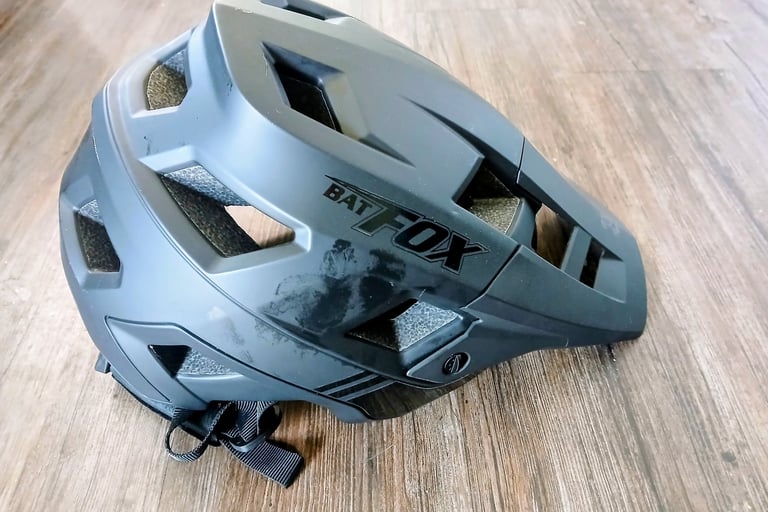
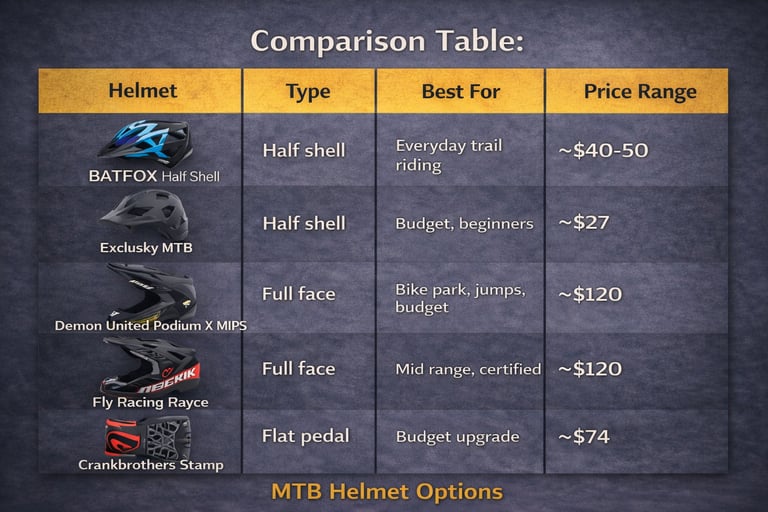
BATFOX Half Shell — Best Budget Trail Helmet
This is what I ride for everyday trail riding. Picked it up not even a year ago and it's been solid. Fits my 57-59cm head well with the dial adjuster, light enough that I forget I'm wearing it on long climbs, and the ventilation is good. EPS foam construction, plenty of protection for trail and all-mountain riding. Around $40-50 and worth every dollar at that price point.
Exclusky MTB Helmet — Best Value Half Shell
If you want something even more affordable the Exclusky shows up as the Overall Pick on Amazon for budget MTB helmets with good reason. Over 3,600 reviews, 200+ bought per month, around $27. Lightweight, adjustable fit, and multiple color options. A solid choice for a beginner or someone who wants a backup helmet without spending much.
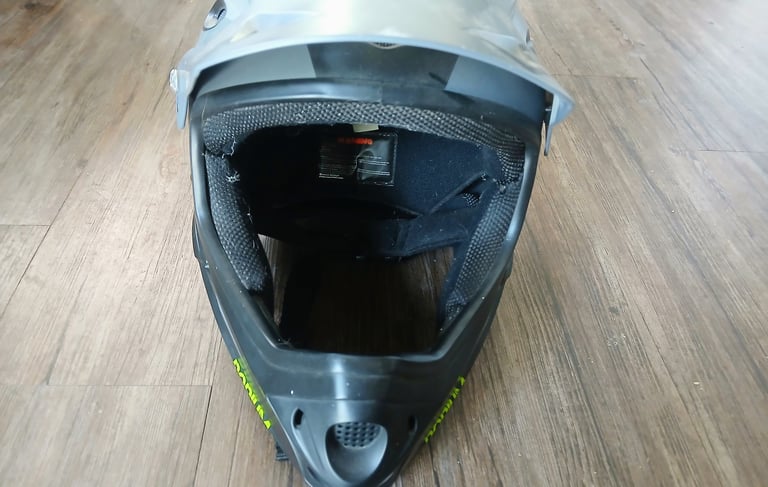
Demon United Podium X MIPS — Best Budget Full Face
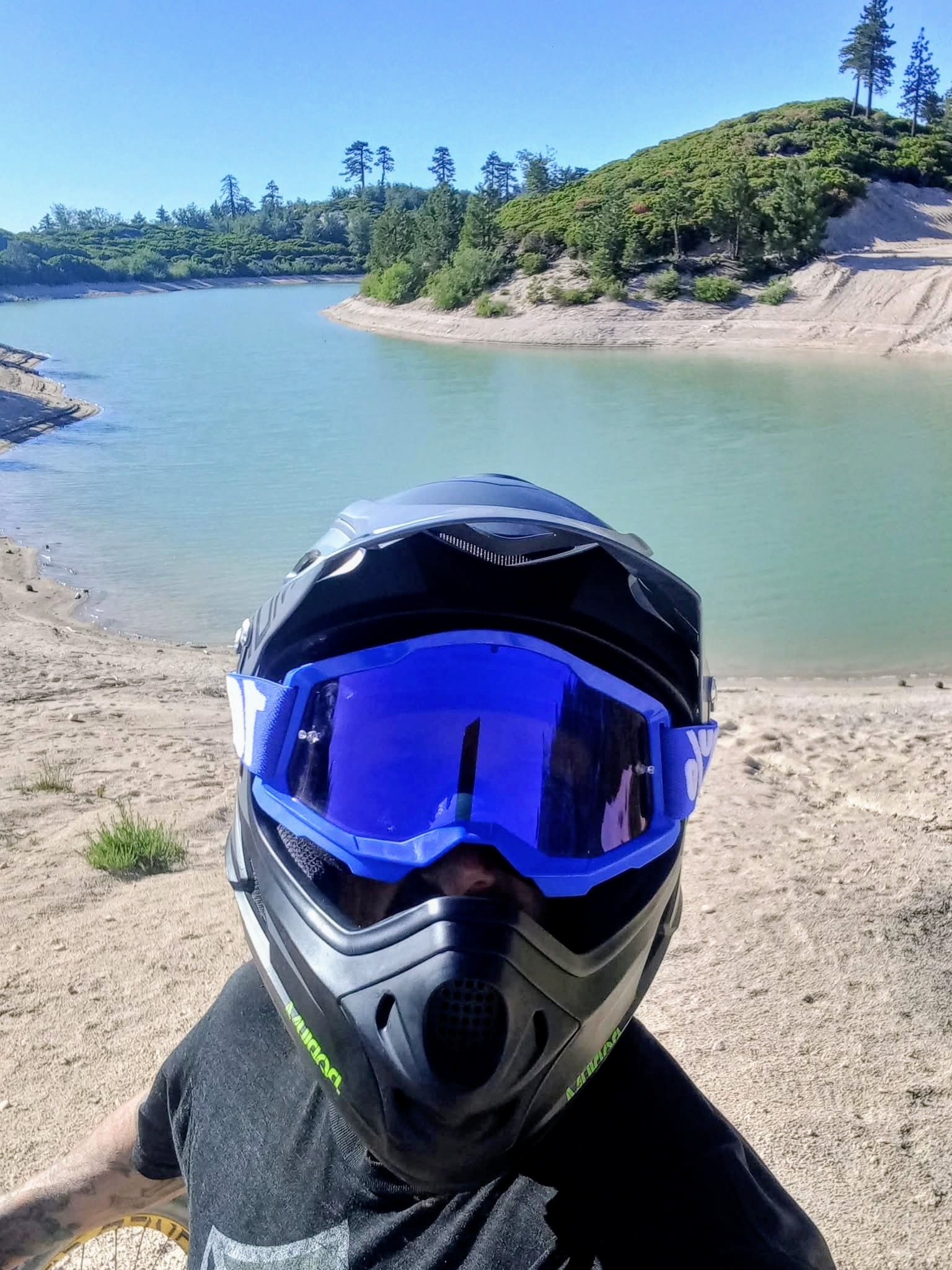
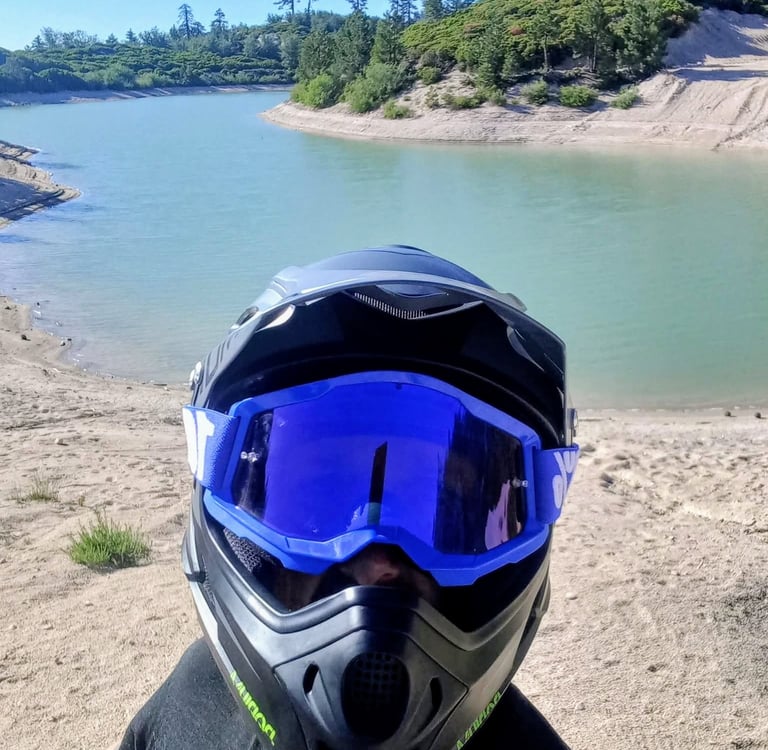
I've had the original Demon United Podium full face for a few years and it's still holding up after multiple bike park trips and jump sessions. The updated Podium X adds MIPS technology which provides extra rotational impact protection. 4.8 stars, 13 vents for breathability, removable liner, and around $120. For a full face at that price point it's hard to beat and it's the one I'd recommend if you want real protection without going to $300 plus.
Fly Racing Rayce Full Face — Best Mid Range Full Face
Fly Racing is a legitimate moto and MTB brand and the Rayce is their ASTM and CPSC certified full face option. Certified to actual safety standards which matters more than most people realize when buying a helmet. 4.7 stars, around $136. If you want a step up from the budget full face options and want a recognized brand name behind your helmet this is a solid choice.
Comparison Table
A Few Tips on Helmet Buying
Replace your helmet after a significant crash. Even if it looks fine the foam inside may be compromised. A cracked helmet like my grandpa's is obvious but internal damage isn't always visible.
Fit matters more than brand. A cheap helmet that fits properly is safer than an expensive one that moves around. Use the dial adjuster and make sure it sits level on your head, not tilted back.
Don't buy used helmets. You don't know their history. A helmet that's been in a crash may look perfect and offer no protection.
MIPS is worth it if you can afford it. It's not marketing fluff, it reduces rotational forces in angled impacts which are common in MTB crashes.
Goggles with a full face make a big difference. Keeps dust and wind out and improves visibility on fast descents. A budget pair works fine to start.
If you're getting into jumping and want to protect more than just your head, check out my guide to shin guards and flat pedal setup— pedal shinners are the other injury nobody tells beginners about.
Final Thoughts
I spent too many years being casual about helmets and I have enough stories to know better now. You don't have to spend a lot to be properly protected. The BATFOX has been my daily trail helmet and it does the job. The Demon United has been my full face for years and still going strong.
Whatever you ride, wear a helmet. And if you're going to the bike park or hitting bigger jumps, wear a full face. The chin bar matters.
As an Amazon Associate I earn from qualifying purchases.