How to Ride MTB in Hot Weather (Tips From Someone Who Rides in 110 Degree Heat)
Living in the Inland Empire where summer temps hit 110 degrees, I've learned what actually works for riding in extreme heat — hydration, timing, what to wear, and how to stay safe.
BLOG
5/30/20265 min read
How to Ride MTB in Hot Weather (What I've Learned Riding in Inland Empire Heat)
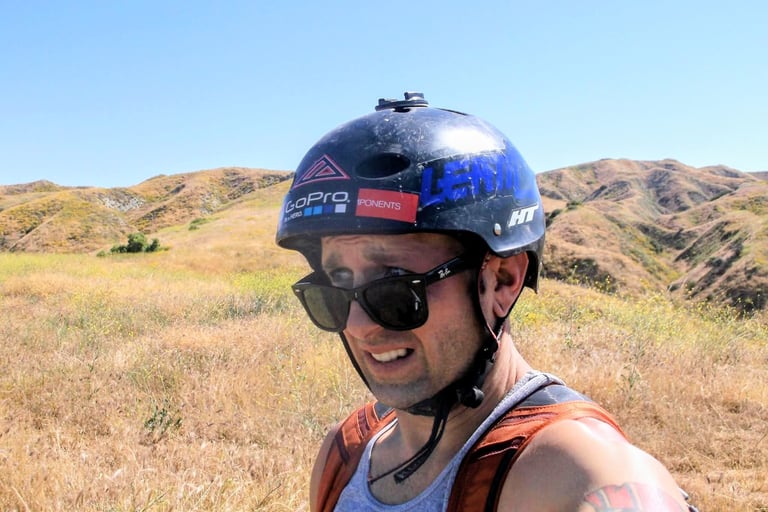
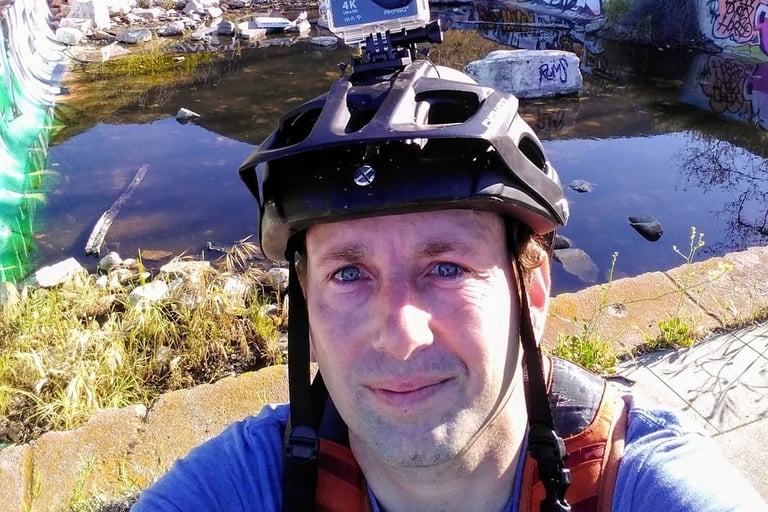
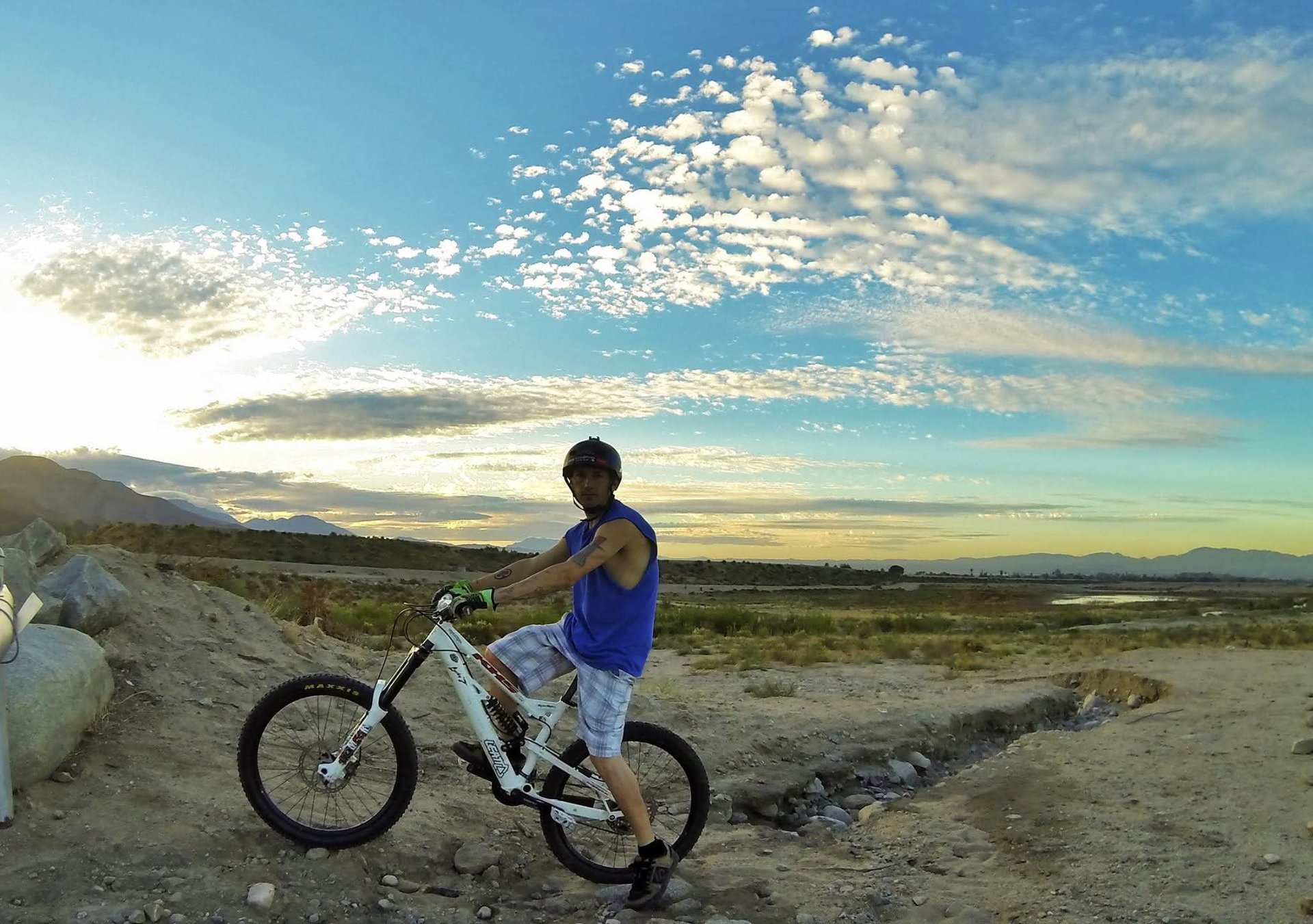
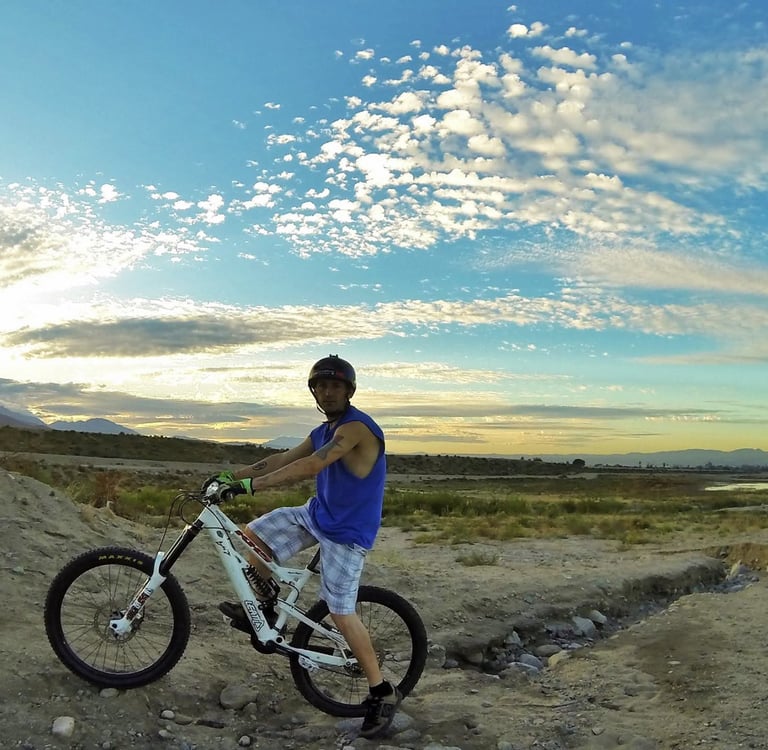
If you want to know about riding in heat, ask someone from the Inland Empire. I live in Highland, California, where summer temperatures regularly hit 110 degrees. I've ridden in it for years — on trails, commuting to work, filming content in the middle of the day when the light is good but the temperature is brutal.
The best way I can describe riding into a full IE summer afternoon is a blow dryer pointed directly at your face. That wall of dry heat hitting you as you move through it. I have specific rides burned into my memory where it felt exactly like that — not just uncomfortable but almost physical, like the air itself was pushing back.
It's not just unpleasant. It's genuinely dangerous if you don't know your limits or don't take it seriously.
Heat Exhaustion Is Real
This is the thing worth saying upfront before any gear or tips: heat exhaustion isn't just feeling tired and hot. It can come on faster than you expect, especially if you're pushing hard, climbing, or out longer than planned. Symptoms are dizziness, nausea, stopping sweating when you should be sweating, and confusion. If you feel any of that, stop riding, get in shade, and drink.
I've never had full heat exhaustion but I've had rides where I pushed closer to that edge than I should have, especially when I was younger and thought I could just grind through anything. You learn.
Hydration — What I Actually Do
In my younger days I'd go out on long rides with barely any water. I remember one ride where I was so thirsty by the end I was genuinely considering drinking from the Santa Ana River. I knew I'd get sick so I didn't, but I was that desperate. I ended up pulling off and hitting a convenience store for water, Gatorade, and whatever snacks they had.
I don't do that anymore.
Now I bring more water than I think I need. On long rides or filming days that extra weight is real — water is heavy and you feel it on the climb out. I tell myself it'll be lighter on the way back. That's usually true and it's what gets me to keep packing it anyway.
I go into more detail on how I pack and what I carry in my hydration pack guide.
A few things I do specifically for hot weather:
The night before a long ride I try to hydrate properly — not just drinking water right before bed but actually staying on top of it through the evening. You can't make up for dehydration in the morning.
Right before I leave for a ride I drink a full glass of water. Doesn't matter if I don't feel thirsty. It's just part of the routine.
I always bring some kind of electrolyte — whether that's a packet mixed into water, a Gatorade, or a sports drink of some kind. Water alone isn't enough on really hot days because you're losing salt when you sweat and just replacing fluid without replacing electrolytes can actually make you feel worse.
At home I make my own electrolyte drink sometimes — water with lemon juice, a pinch of salt, and a little honey. It sounds basic but it works and it's cheaper than buying packets constantly.
Everyone's Different
I've noticed people hydrate differently and I'm not sure there's one right way. My dad takes constant small sips throughout a ride — he barely goes a few minutes without drinking something. I tend to go longer stretches and then drink a good amount at once. Both of us stay fine on hot rides. I've also seen guys do back to back downhill runs at bike parks without touching their water on the lift back up and I genuinely don't understand how they do it. I need to drink on the lift at minimum. Know your own body and don't compare yourself to the guy who seems to need no water — he might just be better at hiding that he's dying.
What to Wear
Loose, light, and light colored if you can manage it. Dark colors absorb heat in a way you feel immediately when you're in direct sun. A lot of MTB gear skews dark and black which looks good but isn't ideal for 100 degree days.
For eye protection, sunglasses or clear lens glasses matter more in summer than any other season — not just for sun but because at speed in dry heat your eyes dry out fast and the dust and debris are worse. I wear eye protection on every ride but in summer it's non-negotiable.
A hat or cap under your helmet isn't for everyone but it helps some people with sun on the neck and face, especially on exposed trails with no shade.
Timing Your Rides
This is probably the most practical tip: ride early. In the IE, early morning in summer is genuinely pleasant. The trails are cooler, the light is good for filming, and you're done before the heat peaks. By noon it's a different world. By 2pm in July it's the blow dryer.
If you can only ride in the afternoon, pick shaded trails or trails with elevation where it's cooler. Exposed, low elevation trails in full sun at 3pm in August are a different experience than a shaded canyon trail at the same time.
If you're local to the Inland Empire, Hulda Crooks Park in Yucaipa is one of the better options for shaded morning rides — I put together a trail guide here.
The Commuting in Heat Problem
Riding to work in summer heat is its own category. You arrive sweaty, which matters if you're going somewhere you need to look presentable. I've had jobs where I locked my bike outside and came back at the end of a shift to a bike that was almost too hot to touch. That prolonged heat exposure isn't great for components over time — especially anything rubber or plastic.
If you're commuting in heat, give yourself more time so you're not sprinting and arriving drenched. Bring a change of clothes if you can. And if your bike has to sit in the sun, try to find any shade at all even if it's not perfect.
Quick Reference for Hot Weather Riding
Hydrate the night before long rides, not just the morning of. Drink a full glass of water before you leave. Bring more water than you think you need — the extra weight on the way out is worth it. Always carry electrolytes, not just plain water. Ride early when you can. Know the difference between being tired and being in actual heat trouble. Pick shaded trails on the hottest days.
Final Thoughts
Hot weather riding in Southern California is just part of life out here. You adapt to it, you respect it, and you learn your own limits over time. The blow dryer days are real but they're also some of my most memorable rides — there's something about grinding through genuine heat that feels earned in a way a perfect weather ride doesn't.
Just bring enough water. I cannot stress that enough.