Do You Need a Hydration Pack for Mountain Biking?
After years of trail riding and commuting by bike, here's what I've learned about hydration packs for MTB — what size to get, how to pack one, and when you might not need one at all.
GEAR
5/30/20266 min read
Do You Need a Hydration Pack for Mountain Biking? (What I've Learned From Years of Riding and Commuting)
I've been riding bikes my whole life, trails, jumps, and daily commuting since before I had a car. Backpacks have always been part of that. I've gone through jansport style packs, hydration packs, tactical bags, waist packs, and everything in between. What I know about carrying gear on a bike I learned from actually doing it, not from reading spec sheets.
This is what I've figured out about hydration packs specifically, what they're good for, when they're worth it, and what my setup looks like after years of riding.
As an Amazon Associate I earn from qualifying purchases.
Why a Regular Backpack Doesn't Work Great for MTB
For a long time I just used whatever backpack I had. Big Jansport style bags mostly, they hold a lot, which is useful when you're commuting and need to carry everything.
The problem is they bounce. On smooth pavement it's fine, but the second you're on trail, pumping rollers, hitting drops, moving around on the bike, a regular backpack shifts and moves with you in a way that gets annoying fast. A big bag also throws off your weight distribution in ways you don't notice until you try riding without it.
Hydration packs solve this with a waist strap and a sternum strap that lock the bag against your back. Once it's cinched down it moves with you instead of against you. That's the main functional difference and it matters more than anything else on the spec sheet.
What My Dad Uses
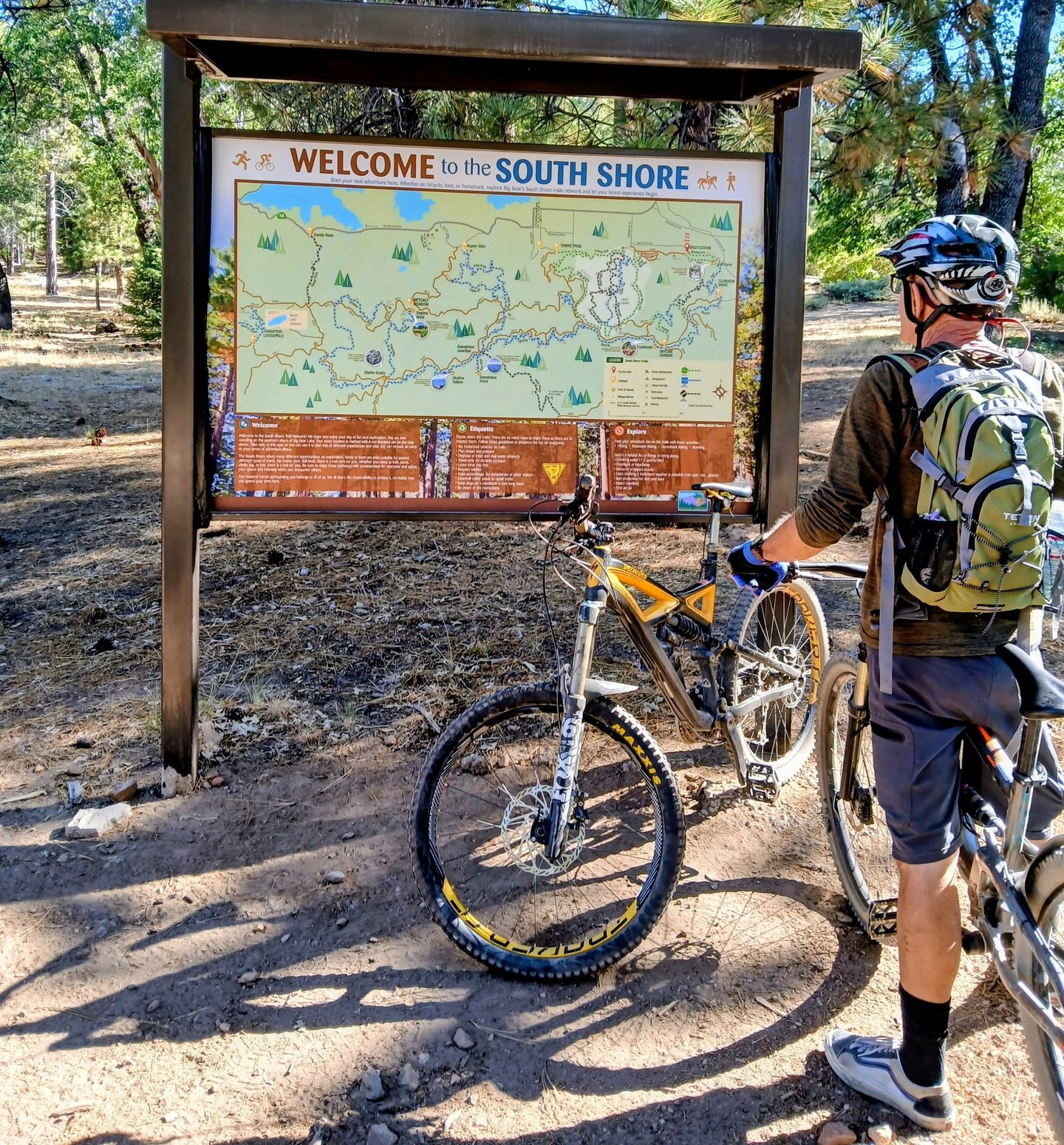
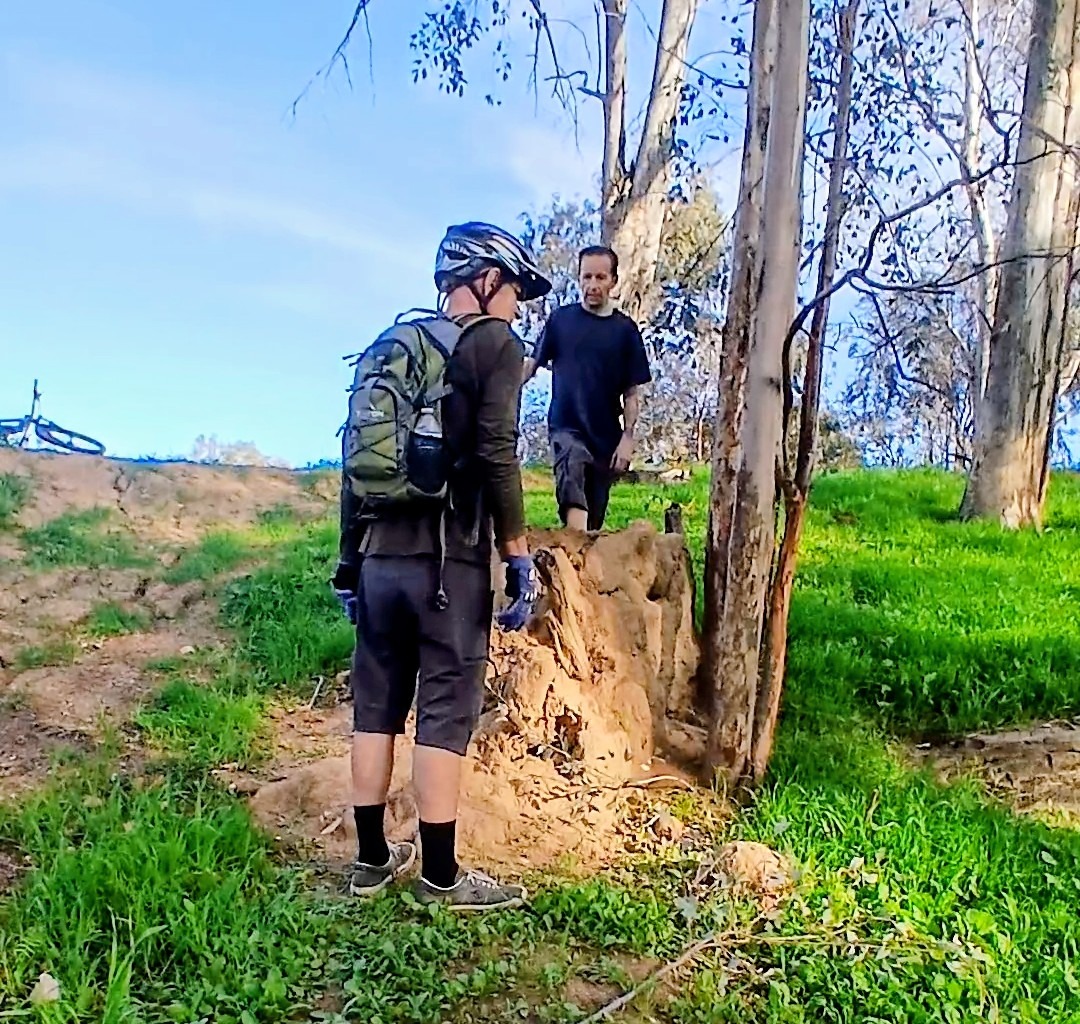
My dad has been riding the same style MTB hydration pack for years. Nothing fancy, a mid-size bag with a bladder, a few pockets, and an external side pocket for a water bottle. He likes knowing exactly where everything is and not having to think about it. Same bag, same setup, every ride.
That's actually a good model for most riders. You don't need the most technical pack on the market. You need something that fits, has a bladder, has room for tools and a snack, and stays put when you're riding. His setup does all of that and he's never felt the need to change it.
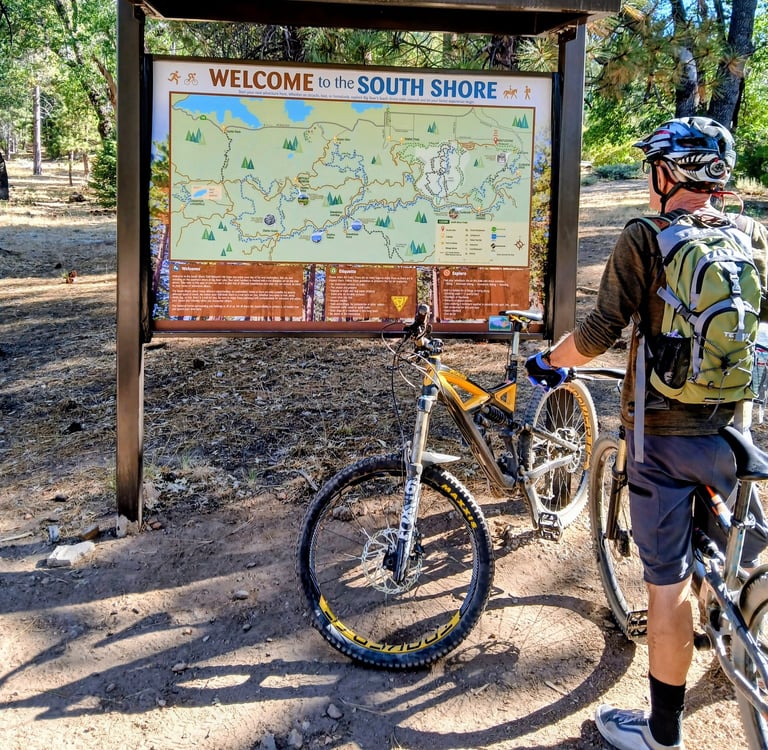
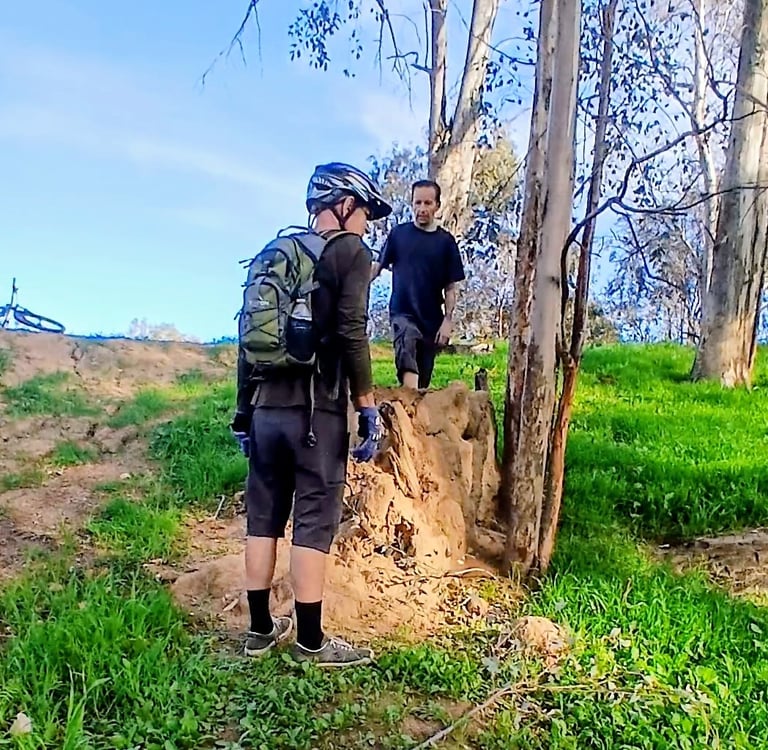
The photos from our Big Bear rides, him checking the South Shore trail map, rolling through the pines, that's the bag in action. Real riding, not a product shoot.
The Best Ride Is No Bag At All
Here's something nobody writes about in hydration pack guides: the best feeling in mountain biking is riding without one.
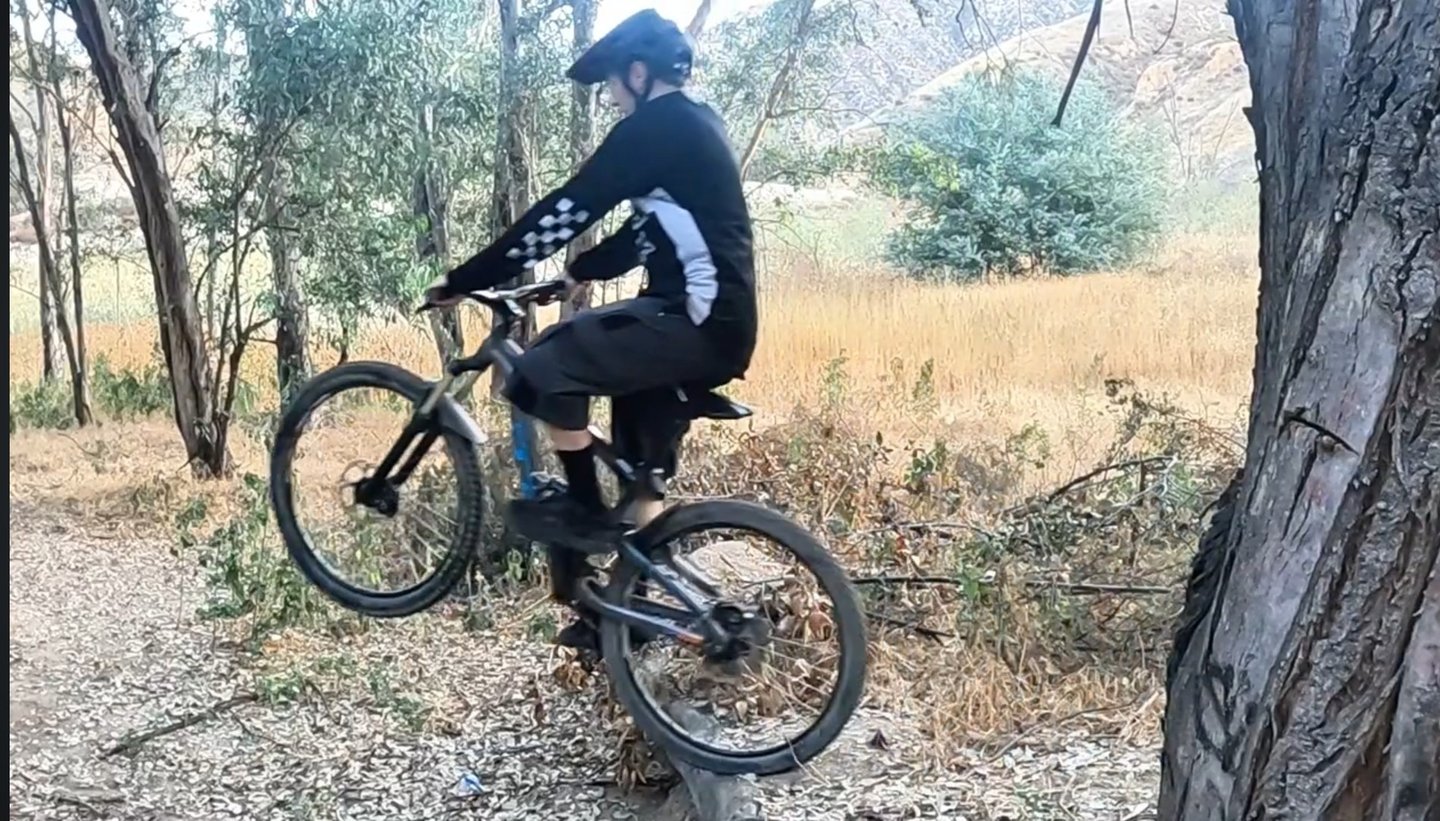
When I get to go to a bike park and leave most of my stuff at camp, just a water bottle stuffed in a pocket, that's a different kind of riding. You move differently. You feel lighter. I find myself hitting jumps I'd hesitate on with a loaded pack. There's something about having nothing on your back that just makes you want to send it.
I've tried waist packs as a compromise, the bigger fanny pack style ones, and I didn't like them. They sit weird, they still move around, and I'd rather just accept the backpack or go without entirely.
The reality is that when you ride with a pack 98% of the time, the 2% you don't feels genuinely freeing. It's worth chasing when you get the chance.
What Size Pack to Get
Size mostly depends on what you're doing and how long you're out.
A small pack, think 1.5 to 3 liters of storage plus a bladder, is good for short trail rides when you're not carrying much. Tools, a tube, keys, your phone, and you're set. These often come with a bladder included and some have MOLLE webbing if you want to add a small pouch later.
A medium pack in the 10 to 15 liter range is what most trail riders use for a full day out. Room for tools, food, a layer, the bladder, and a bit extra. This is the most versatile size and where I'd tell most people to start.
If you're carrying camera gear, a tripod, extra clothes, or heading out for a long mountain day, you want something bigger. I use a larger tactical bag for those days — more on that below.
How I Pack My Hydration Pack
After years of riding and commuting with a pack on, I've figured out a few things that make it work better.
Clothes take up way more space than they need to. I fold whatever I'm bringing down as flat as I can, put it in a gallon ziplock bag, and squeeze the air out before sealing it. Compresses down to almost nothing and stays dry if the weather turns.
I don't run tubeless so I carry spare tubes. The cardboard box they come in is bulky and pointless, I write the size on a piece of tape, wrap it around the tube, and stuff it in a sock. Takes up half the space and the sock adds a little padding.
Ziplock bags are the most underrated packing tool for riding. GoPro batteries, memory cards, anything electronic goes in its own small ziplock. Yesterday it started raining when I wasn't expecting it and everything stayed dry. Phone gets its own ziplock regardless of what the weather looks like when I leave.
If I bring a bottle of juice or Gatorade, once it's empty I crush it flat. Barely takes up space on the way home. Same with snack packaging, compress everything before it goes back in the bag.
The bladder handles water for drinking on the move, but I'll still bring a bottle sometimes on long days or if I'm not sure about refill options. Having both means I'm not stopping constantly.
A Note on Hydration and Bladder Size
Most MTB hydration packs come with a 1.5L or 2L bladder. For most trail rides in mild weather that's enough. On hot days in Southern California or long mountain rides I want 2L minimum and a backup bottle.
The bladder itself is worth paying attention to. Cheaper bladders can have bite valves that leak or seals that don't hold long term. If the pack you buy has a bad bladder it's usually worth just buying a replacement Camelbak or Osprey bladder separately, they're not expensive and they last.
Affiliate Picks
These are all on Amazon and cover different budgets and use cases:
MARCHWAY Tactical Molle Hydration Pack — good budget option with MOLLE webbing, comes with a 3L bladder, works well for trail riding and commuting. Around $35-40.
CamelBak Hydrobak — if you want a name brand that's been proven over years, this is the one. More expensive but the quality shows, especially in the bladder and bite valve.
As an Amazon Associate I earn from qualifying purchases.
What I Use Now
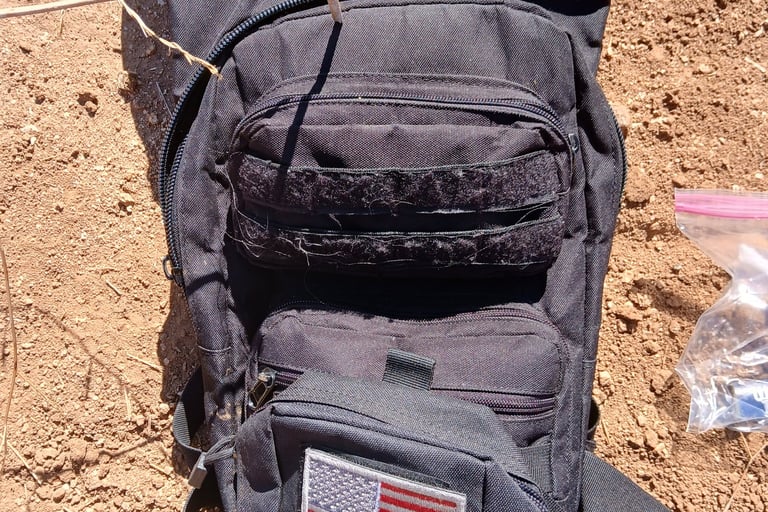
I've actually switched to tactical backpacks for most of my riding at this point, they're more durable, more customizable with the MOLLE system, and cheaper than most MTB-specific packs. But hydration packs are still what I'd recommend for most riders starting out, and my dad's still riding his the same way he always has.
If you're curious about the tactical pack route, I wrote about it here: Why I Switched to Tactical Backpacks for Mountain Biking
Final Thoughts
You don't need the most expensive hydration pack on the market. You need something that stays put when you're riding, holds enough water and gear for your ride, and doesn't weigh you down more than necessary.
If you're coming from a regular backpack, the difference in how it rides is immediately noticeable. The waist strap alone is worth it.
And if you ever get a chance to ride with nothing on your back at all, take it.