
Do You Really Need Knee Pads for Mountain Biking?
Do you really need knee pads for mountain biking? Learn when knee pads make sense, common comfort issues, and how riders decide when to wear them.
GEAR
2/7/20263 min read
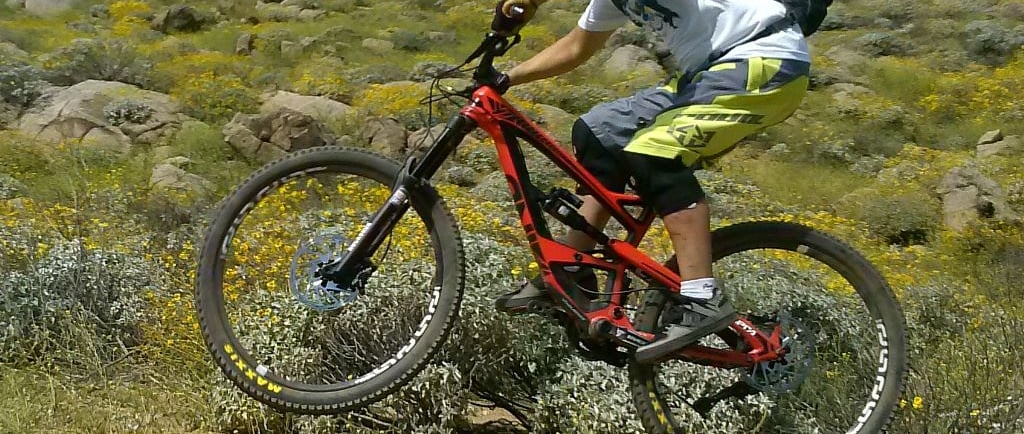

Do You Really Need Knee Pads for Mountain Biking?
Knee pads are one of those pieces of mountain bike gear that riders constantly debate. Some people wear them on every ride. Others never touch them unless they are at a bike park. Most riders fall somewhere in the middle.
The truth is there is no single right answer. Knee pads have real benefits, but they also come with downsides that make many riders hesitant to wear them all the time.
This post is not about telling you what you should do. It is about laying out the real tradeoffs so you can decide what makes sense for your riding.
Why Riders Hesitate to Wear Knee Pads
A lot of riders know knee pads are a good idea, but still leave them at home. There are a few common reasons for this.
Comfort is the biggest one. Pads can feel bulky, hot, or restrictive, especially on long climbs.
Fit is another major issue. I have always been on the skinny side, especially when I was younger, and finding knee pads that stayed in place was a constant struggle. Many pads would slide down, twist, or bunch up once I started riding.
I have also had issues with the closure straps rubbing against my leg and causing irritation. On longer rides, that can be more distracting than helpful.
Because of these issues, I have never been someone who wears knee pads on every ride.
Different Knee Pad Styles I Have Tried
Over the years, I have tried different types of knee protection.
I have used basic knee pads, knee and shin combo pads, and heavier downhill style protection. Each has pros and cons.
Lightweight trail pads are easier to pedal in, but they tend to slide more if the fit is not perfect.
Knee and shin combo pads offer more coverage, but they can feel bulky and uncomfortable on long climbs.
Heavier pads stay in place better, but they are not something most riders want to pedal in for hours.
These tradeoffs are real, and they are why many riders only wear pads in certain situations.
When Knee Pads Make a Lot of Sense
Even though I do not wear knee pads on every ride, there are times when I absolutely do.
I still keep an older pair around and wear them when I am riding rocky trails, unfamiliar terrain, or bike parks.
Knee pads make a lot of sense when:
you are learning jumps
you are riding new or unfamiliar trails
the terrain is rocky or fast
you are progressing and pushing limits
you are riding at a bike park
In these situations, the added protection is worth the discomfort.
Knee Injuries Are Not Minor Injuries
This part matters and often gets overlooked.
Knee injuries can be serious. A bad knee impact can cause swelling, ligament damage, or long recovery times that keep you off the bike for months.
I learned this lesson the hard way.
When I was younger, my dad and I went to Mammoth for a race. I had knee pads on, but they slid down below my knees during a crash. My knee swelled up badly and I was unable to race. We traveled all the way there and I did not even get to line up.
After that, my dad got me a full protective suit that held everything in place. It was bulky, but it worked, and I wore it because staying healthy mattered more than comfort.
That experience stuck with me.
Why Some Riders Still Skip Knee Pads
Despite the risks, many riders still choose to ride without knee pads in certain situations.
Common reasons include:
long climbs
hot weather
mellow trail rides
comfort and mobility
pads sliding or rubbing
These are valid concerns, especially for trail riding where comfort and efficiency matter.
This is why knee pad use is often situational rather than all or nothing.
How to Think About Knee Pads the Right Way
Knee pads are a tool, not a rule.
You do not have to wear them on every ride to benefit from them. Many riders use knee pads strategically, wearing them when risk is higher and skipping them when the ride is mellow and familiar.
If you choose to wear knee pads, fit matters more than brand. Pads that stay in place and pedal well offer more real protection than bulky pads that slide out of position.
Final Thoughts
Knee pads are not about looking overprotected or riding scared. They are about managing risk.
You can ride confidently without knee pads on mellow trails, but it is also smart to recognize when the consequences of a crash are higher.
Even though knee pads are not always comfortable, a knee injury can take a long time to heal and keep you off the bike completely.
For many riders, the best approach is simple. Wear knee pads when the riding justifies the risk, and skip them when it does not.